Introduction
The global restaurant industry has faced unprecedented challenges during the COVID-19 pandemic, leading to significant shifts in consumer behaviour and operational models. As many establishments struggled to survive, the resilience shown by restaurant owners and workers alike has now brought forth a new era for dining out. This article will explore the current state of the restaurant industry, highlighting trends, innovations, and the overall relevance of eateries in today’s society.
The Impact of COVID-19 on Restaurants
The pandemic resulted in the temporary closure of thousands of restaurants worldwide, forcing many to adapt quickly to survive. According to a report from the National Restaurant Association, approximately 110,000 restaurants in the US permanently closed during the pandemic. However, those that pivoted towards takeout and delivery services, embraced outdoor dining, and implemented health protocols proved more resilient. The rise of technology, particularly mobile app ordering and contactless payments, became essential in redefining the customer experience.
Current Trends Shaping the Restaurant Industry
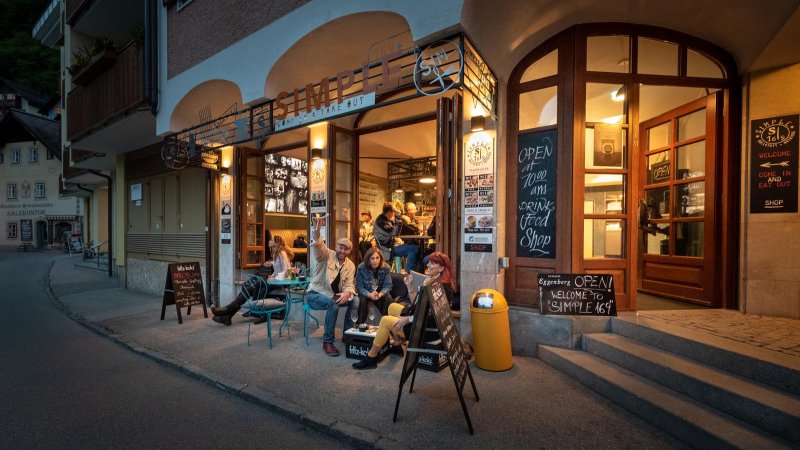
As restaurants reopen, several key trends have emerged. Firstly, a significant increase in outdoor dining has been noted, with many establishments investing in outdoor seating options to accommodate customers while ensuring safety. Secondly, sustainability is at the forefront of consumer choices, prompting restaurants to adopt eco-friendly practices and locally sourced ingredients. Thirdly, the trend of immersive dining experiences is gaining popularity, where the focus extends beyond food to include atmosphere and entertainment, creating memorable occasions for diners.
Innovation and Adaptation
Innovation remains crucial as restaurants navigate a competitive landscape. Many successful establishments have embraced hybrid models, combining traditional in-house dining with delivery and takeaway services. Technology integration, such as online reservation systems and kitchen management software, has streamlined operations and enhanced efficiency. Restaurant owners are also exploring creative menus that cater to diverse dietary preferences, from plant-based options to gluten-free selections, recognising the changing demographics of their patrons.
Conclusion
As the restaurant industry continues to evolve, the importance of adaptability cannot be overstated. The ability to respond to shifts in consumer preferences, societal changes, and technological advancements will dictate success in this sector. Looking forward, experts predict a continual rise in innovative dining concepts and community-driven initiatives, leading to a vibrant restaurant culture that reflects the diversity of contemporary society. For consumers, this means more choices, better experiences, and a stronger connection to the local dining scene. Overall, the restaurant industry is not just bouncing back; it is reinventing itself for a new era.