Introduction
Pasta, a staple food of Italian cuisine, has transcended its cultural origins to become a beloved dish worldwide. With its rich history and versatility, pasta is not only a dietary staple for millions but also a symbol of community and celebration. The importance of pasta in contemporary culinary practices cannot be overstated, as it adapts to various gastronomic trends and dietary preferences, making it more relevant than ever.
The Origins of Pasta
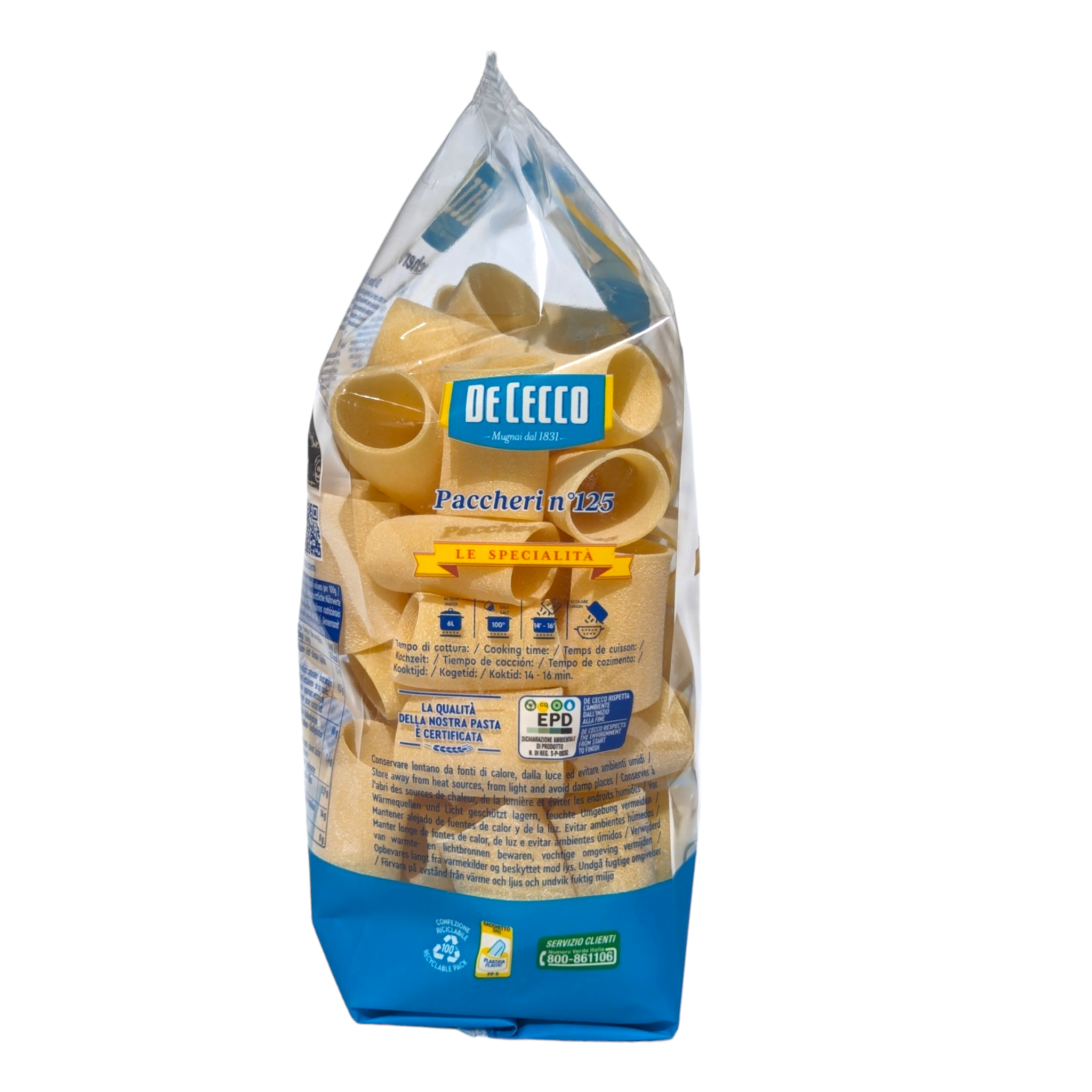
Though its exact history is disputed, pasta is believed to have been introduced to Italy by merchants from the Middle East, with records pointing to as early as the 8th century. Early pasta was made from durum wheat, and regional variations quickly began to emerge. Today, there are over 600 pasta shapes recognised, each with its own traditional use and accompanying sauce.
Pasta in Modern Cuisine
Recent trends indicate that pasta consumption continues to rise, partly due to the increased popularity of Mediterranean diets, which are rich in whole foods. According to the International Pasta Organisation, global pasta consumption soared to approximately 15 million tonnes in 2021, reflecting an uptick in demand particularly in the United States and parts of Asia. This growth can also be attributed to a broader shift towards home cooking during the COVID-19 pandemic, with many individuals trying their hands at making fresh pasta from scratch.
Variety and Innovation
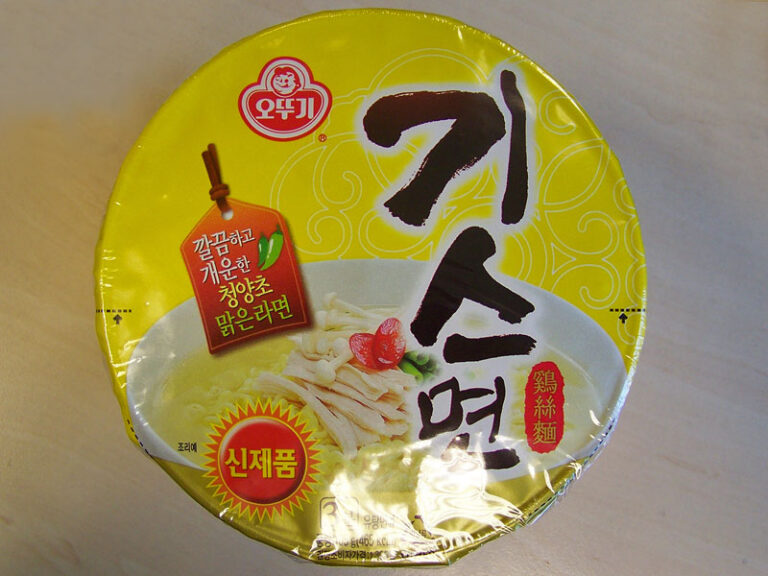
With dietary restrictions becoming more common, the pasta industry has seen a significant shift towards gluten-free and alternative grain options. Brands now offer lentil, chickpea, and zucchini-based noodles, catering to those with gluten intolerance or those following vegan diets. Additionally, innovative pasta products, such as ready-to-eat meals and pre-packaged sauces, have become increasingly popular, providing convenience without sacrificing flavour.
Conclusion
Pasta’s adaptability and cultural significance cement its place as a global food phenomenon. As preferences evolve and food trends shift, pasta is poised to remain a relevant staple in kitchens worldwide. With ongoing innovation and a focus on healthier ingredients, the future of pasta appears bright, inviting new generations to discover and explore its endless culinary possibilities.