Introduction
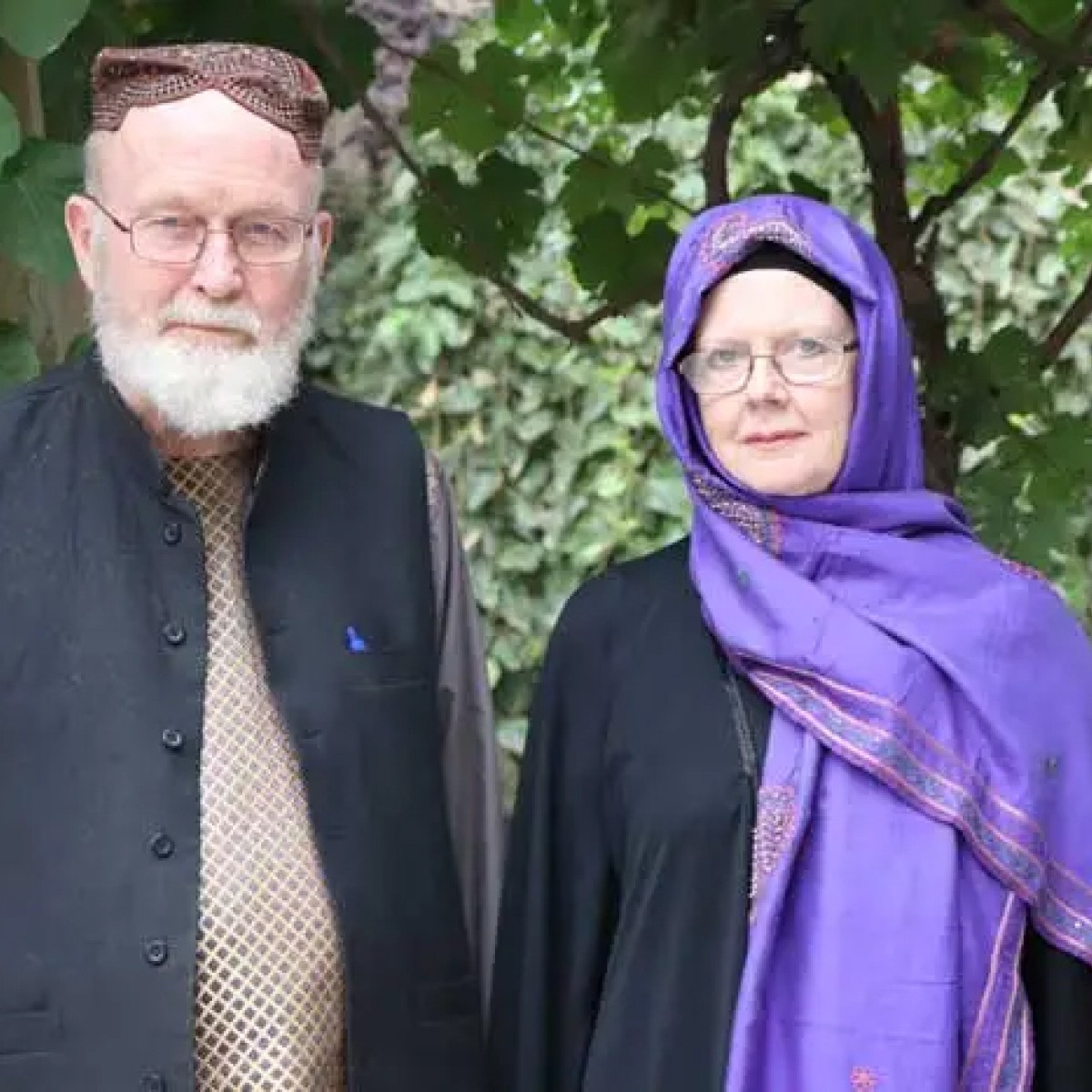
The story of Barbie Reynolds and her work in Afghanistan underscores the often-overlooked contributions of individuals who operate in conflict zones. As international attention remains fixed on geopolitical developments, it is crucial to acknowledge the efforts made by civilians in fostering stability and community resilience in such regions. Barbie Reynolds, an aid worker and humanitarian, has dedicated her life to improving the lives of many in Afghanistan.
Barbie Reynolds: A Profile
Barbie Reynolds, who has worked in various capacities within the humanitarian sector, relocated to Afghanistan in 2015. Her work primarily focuses on educational initiatives and women’s empowerment. Originating from the United Kingdom, Reynolds has built relationships with local communities that enable her to identify their needs directly. This grassroots approach has allowed her to implement effective educational programs benefiting Afghan youths, especially girls who have historically been denied access to schooling.
Recent Developments
As of October 2023, Afghanistan continues to face numerous challenges following the Taliban’s return to power in August 2021. Many NGOs have struggled to operate under the current regime due to restrictions imposed on women working in various sectors. Despite these challenges, Reynolds remains determined to work within legal frameworks set forth by the Taliban to continue her mission in Afghanistan. Her latest project, launched in early September, aims to provide training courses for young women to acquire skills in fields such as stitching, tailoring, and computing.
Impacts and Future Perspectives
The initiative led by Reynolds is a beacon of hope for many young women in the region. Analysts indicate that such educational and skill-building programs may help mitigate the economic impact of the restriction on women’s workforce participation. Reynolds’ work could set a precedent, encouraging other aid workers to remain or return to Afghanistan under creative frameworks that respect local laws while promoting women’s rights.
Conclusion
The importance of Barbie Reynolds’ contributions to Afghanistan cannot be overstated. As she continues to navigate the complexities of working in a politically sensitive environment, her commitment serves as an inspiring model for those dedicated to humanitarian work. Observers of the region are watching closely, hopeful that her efforts can gather support and potentially influence a gradual shift towards greater opportunities for women in Afghanistan. As discussions around international aid and women’s rights evolve, Barbie Reynolds will likely remain a pivotal figure, exemplifying resilience amidst adversity.