Introduction
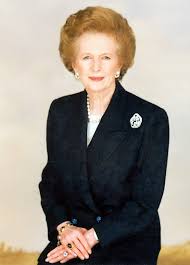
Margaret Thatcher, the United Kingdom’s first female Prime Minister, has left an indelible mark on British politics, economy, and society. Her policies and leadership style, often polarising, continue to influence political discourse today. As the nation reflects on her legacy, it is crucial to examine her achievements and the controversies surrounding her time in office.
Political Milestones
Serving from 1979 to 1990, Thatcher held a firm grip on the Conservative Party and the UK government, becoming a symbol of hardline conservatism. Her administration was marked by several pivotal moments, such as the introduction of market-oriented reforms, the privatisation of state-owned industries, and a strong stance against the Soviet Union during the Cold War. The ‘Thatcher Revolution’ fundamentally altered the British economy, shifting from a welfare state towards a free-market approach.
Controversies and Challenges
However, her policies were not without criticism. Thatcher’s approach to trade unions and social welfare led to significant unrest, exemplified by the bitter miners’ strike of 1984-1985. Many accused her of exacerbating social inequalities, particularly in industrial regions that suffered from deindustrialisation. The introduction of the Community Charge, commonly known as the ‘poll tax’, sparked widespread protests, severely damaging her reputation and prompting her eventual resignation in 1990.
The Falklands War
One of the defining events of her premiership was the Falklands War in 1982. Thatcher’s decisive military response to the Argentine invasion not only restored British control over the islands but also bolstered her standing at home, leading to a landslide victory in the 1983 general election. The war showcased her resolve and reaffirmed her role as a strong leader during a tumultuous time.
Conclusion
Margaret Thatcher’s legacy remains complex and multifaceted. Those who admire her point to her economic reforms and strong leadership, while critics highlight the social divisions her policies created. As the UK continues to grapple with economic and social challenges, understanding Thatcher’s impact is vital for comprehending the current political landscape. With debates over her policies still prevalent today, it is clear that her influence will endure in discussions on governance, economics, and social policy for years to come.