Introduction
The role of submarines in naval warfare has evolved significantly over the decades, and Russian submarines have become pivotal in global military strategy. As tensions rise in various geopolitical regions, the advancements and deployments of Russian submarines are increasingly relevant. This article examines the current state of the Russian submarine fleet, its technological advancements, and implications for international security.
Current State of the Russian Submarine Fleet
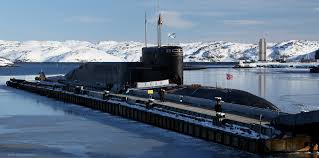
The Russian navy currently operates a diverse fleet of submarines, including nuclear-powered and diesel-electric classes. According to the latest military assessments, Russia has around 60 submarines in active service, with plans to extend this number through new constructions. Recent initiatives like the Borei-class ballistic missile submarines and the Yasen-class cruise missile submarines underline Russia’s commitment to modernising its naval capabilities.
Technological Advancements
Recent developments revealed that Russian submarines are outfitted with cutting-edge technology, enhancing their stealth and combat capabilities. Notable upgrades include advanced sonar systems, improved hull designs to reduce noise, and enhanced missile systems capable of striking targets from long distances. The successful test of the new Poseidon underwater drone, which is designed for nuclear-powered missions, indicates a significant leap in underwater warfare capabilities.
Strategic Implications
The increased sophistication of Russian submarines has raised concerns among NATO allies and other global powers. The focus on submarine warfare is seen as a strategic move to counterbalance the perceived deficiencies in surface ship capabilities due to various sanctions and budget limitations. Key regions to watch include the Arctic and the Mediterranean, where Russian submarines have been increasingly active, conducting exercises and strategic patrols that reflect Moscow’s intent to project power and influence.
Conclusion
As Russian submarines continue to evolve, their role in military strategy becomes more pronounced. The advancements in both technology and tactics signify a clear intent to enhance underwater warfare capabilities. For the international community, particularly NATO nations, the developments surrounding Russian submarines pose challenges that need to be addressed through diplomatic, military, and intelligence measures. In the coming years, the naval capacities of Russia will likely play a critical role in shaping global maritime dynamics, and ongoing surveillance of these developments remains paramount for maintaining regional stability.