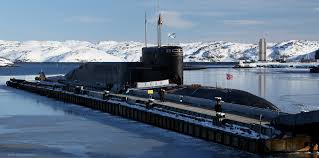
Introduction to Flotillas
Flotillas play a crucial role in modern naval operations, serving as a diverse and integral component of maritime strategy. Defined as a small fleet of ships, often part of a larger force, flotillas are typically comprised of various types of vessels that operate together to achieve specific maritime objectives. Their importance lies not just in their military applications but also in humanitarian missions, patrolling waters, and surveillance operations.
Recent Developments in Flotilla Operations
In recent months, geopolitical tensions and maritime security concerns have led to an increased emphasis on the deployment of flotillas by navies worldwide. For instance, the importance of flotillas was highlighted following the increasing naval presence in the South China Sea, where joint operations involving multiple nations’ ships have taken precedence. These operations serve to demonstrate strength in numbers while ensuring readiness to respond to potential conflicts.
Notable instances include recent joint flotilla exercises conducted by the United States and allied forces in response to North Korean missile tests. These exercises, which aimed to enhance interoperability among forces, showcased the strategic advantage of flotillas in demonstrating deterrence and collaborative defence.
Humanitarian and Environmental Aspects
Flotillas are not solely military in their application; they also play a vital role in humanitarian missions. Recent flotilla initiatives have been launched to deliver aid to regions affected by natural disasters or conflict. An example was seen after the devastating cyclone in Myanmar in 2023, where a coalition flotilla was deployed to provide essential supplies and medical assistance to the affected population.
Moreover, with climate change realities necessitating increased environmental monitoring, flotillas are being employed in scientific endeavours—such as monitoring marine ecosystems and conducting research on ocean health.
Conclusion: The Future of Flotillas
The relevance of flotillas cannot be understated, as they continue to adapt to the changing landscape of global security and humanitarian needs. Their flexibility allows them to serve diverse purposes, from military operations to disaster relief. As technology evolves and the geopolitics of the maritime domain shifts, the future of flotillas will likely witness further operational enhancements, making them an indispensable element of both naval strategy and international cooperative initiatives.