Introduction
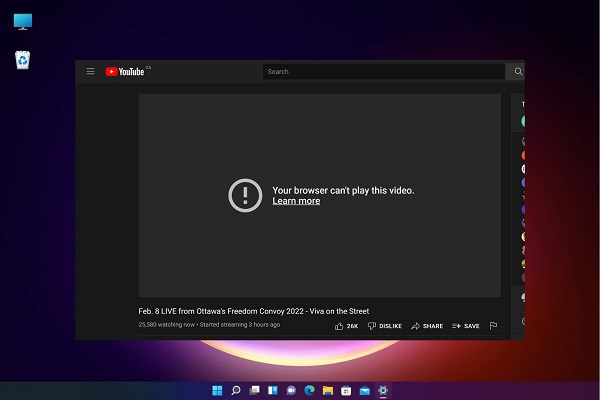
YouTube, the world’s leading video-sharing platform, boasts billions of active users streaming content daily. However, many users face the frustrating issue of videos not playing, which can result from various factors ranging from internet connectivity to browser compatibility. Understanding why YouTube is not playing videos is essential for enhancing user experience and ensuring uninterrupted access to content.
Common Causes for YouTube Videos Not Playing
1. Internet Connectivity Issues
One of the most common reasons YouTube fails to play videos is a poor or unstable internet connection. Users should check their internet speed and stability. The recommended speed for streaming videos on YouTube is at least 1.5 Mbps. Testing the connection and ensuring other devices aren’t overloading the bandwidth can resolve playback issues.
2. Browser Compatibility
Sometimes, the web browser may not support certain YouTube features. It’s important to use the latest version of browsers like Google Chrome, Mozilla Firefox, Safari, or Microsoft Edge. Clearing the browser cache and cookies can also aid in resolving any playback glitches caused by conflicting data.
3. YouTube App Issues
For mobile users, the YouTube app may need an update or reinstallation. Keeping the app updated ensures all new features and bug fixes are implemented, which can eliminate many playback issues. If problems persist, users might consider clearing the app’s cache or data.
4. Hardware Acceleration
Some devices with outdated hardware may struggle to play high-definition videos. Users should try disabling hardware acceleration in browser settings, which can sometimes resolve playback problems by allowing videos to load more smoothly.
5. Ad Blockers and Extensions
While useful for blocking ads, some extensions or ad blockers can interfere with YouTube’s functionality. Temporarily disabling these extensions may help to resolve video playback issues.
Recent Developments and Solutions
As of October 2023, YouTube has rolled out features to improve playback during network disruptions. This includes adaptive bitrate streaming, which adjusts video quality based on the user’s connection. Additionally, YouTube has been refining its algorithms to better detect and mitigate streaming errors, contributing to a more reliable viewing experience.
Conclusion
In summary, when YouTube is not playing videos, it can be a source of frustration for users hoping to access content seamlessly. However, identifying the root cause—whether it be internet connectivity, browser compatibility, or hardware issues—can lead to effective solutions. By staying updated on both YouTube’s platform changes and one’s own device settings, users can enhance their video streaming experience. As online video consumption continues to rise, resolving these issues will remain increasingly significant for users across the globe.



