Introduction
Wuthering Heights, the acclaimed novel by Emily Brontë, has inspired multiple film adaptations over the decades, illustrating its timeless appeal and the complexity of its characters. The significance of these adaptations lies not only in their artistic interpretation of the source material but also in their reflection of the evolving societal norms and cinematic techniques.
Adaptations Over the Years
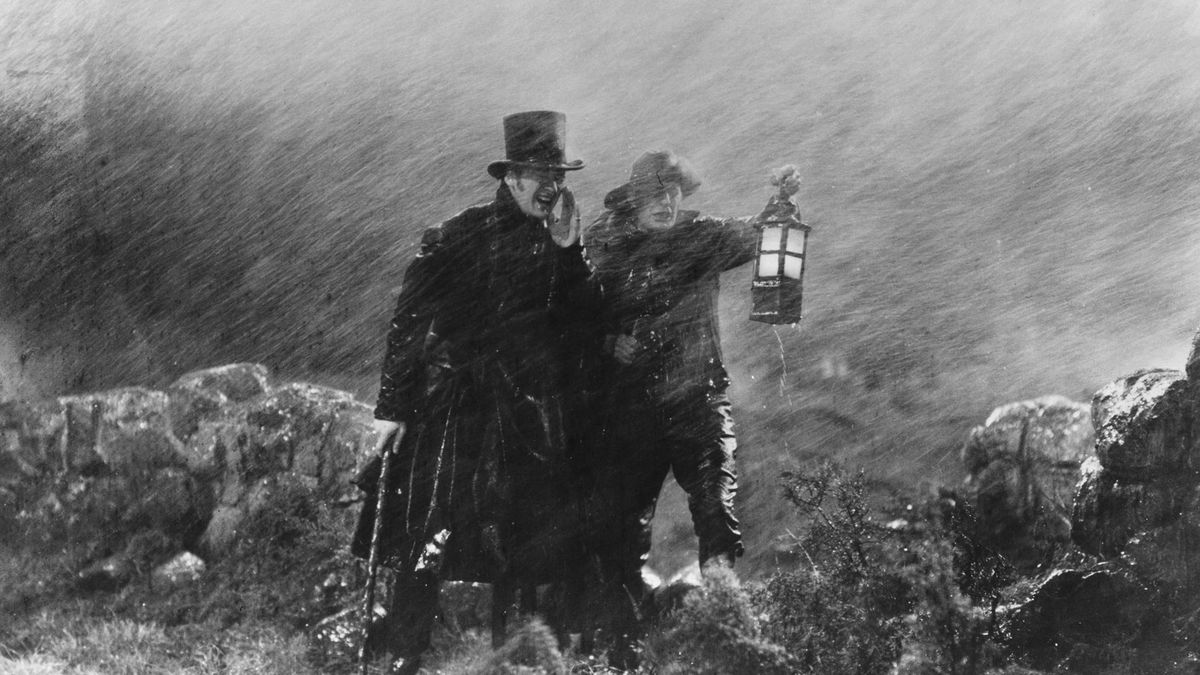
The first adaptation of Wuthering Heights appeared in 1920, directed by William Wyler. This silent film introduced audiences to the tumultuous love story of Heathcliff and Catherine Earnshaw. Subsequent versions, including the 1939 classic starring Laurence Olivier and Merle Oberon, helped cement the novel’s status in popular culture. Olivier’s portrayal of Heathcliff remains iconic, showcasing the character’s intensity and despair.
Notably, the 1970 adaptation brought a modern twist to Brontë’s tale, featuring a rock music soundtrack that attracted younger audiences. It was only in 2011, however, that a highly praised adaptation emerged, directed by Andrea Arnold. Critics lauded Arnold’s version for its raw and unflinching approach to the text, reflecting the dark, emotional landscape of the story.
Significance of Recent Adaptations
The 2011 adaptation is particularly significant as it resonates with contemporary themes of class, race, and the human condition, variables that continue to be relevant today. The film’s visual style, with its stark landscapes and close-up shots, invites viewers to experience Wuthering Heights’ tumultuous emotions more profoundly. Reviews pointed out that Arnold’s vision brought a fresh perspective that aligned with modern sensibilities, inviting a new generation to explore Brontë’s work.
Conclusion
As Wuthering Heights continues to be adapted for film, the narrative endures, speaking to the persistent human experiences of love, revenge, and the struggle against social boundaries. Each adaptation serves as a time capsule reflecting not only the story’s themes but also the cultural climate of its time. With new cinematic technologies and shifting societal perspectives, the future of Wuthering Heights adaptations remains promising. For readers and film aficionados alike, the continued interpretation of this literary classic keeps the legacy of Emily Brontë alive, ensuring that the tempestuous love of Heathcliff and Catherine will be explored by audiences for generations to come.