Introduction
T2 Trainspotting, the highly anticipated sequel to the iconic 1996 film Trainspotting, has made waves in the film industry since its release in 2017. Directed by Danny Boyle and adapted from Irvine Welsh’s novels, this film continues to explore complex themes of friendship, addiction, and the quest for identity. With the original film leaving a lasting impact on popular culture, T2 aims to delve deeper into the lives of its beloved characters, making it a relevant topic for discussion among film enthusiasts and cultural critics.
Background of Trainspotting
The original Trainspotting film garnered international acclaim for its raw portrayal of heroin addiction and its effects on youth culture in 1990s Edinburgh. Featuring a powerful performance from Ewan McGregor as Renton, the film became a touchstone for a generation seeking an escape from the malaise of urban life. Its unique visual style, memorable soundtrack, and quotable dialogue solidified its place in cinematic history. When T2 Trainspotting was announced over two decades later, fans eagerly anticipated how Boyle would approach the characters they had grown fond of.
Key Themes in T2 Trainspotting
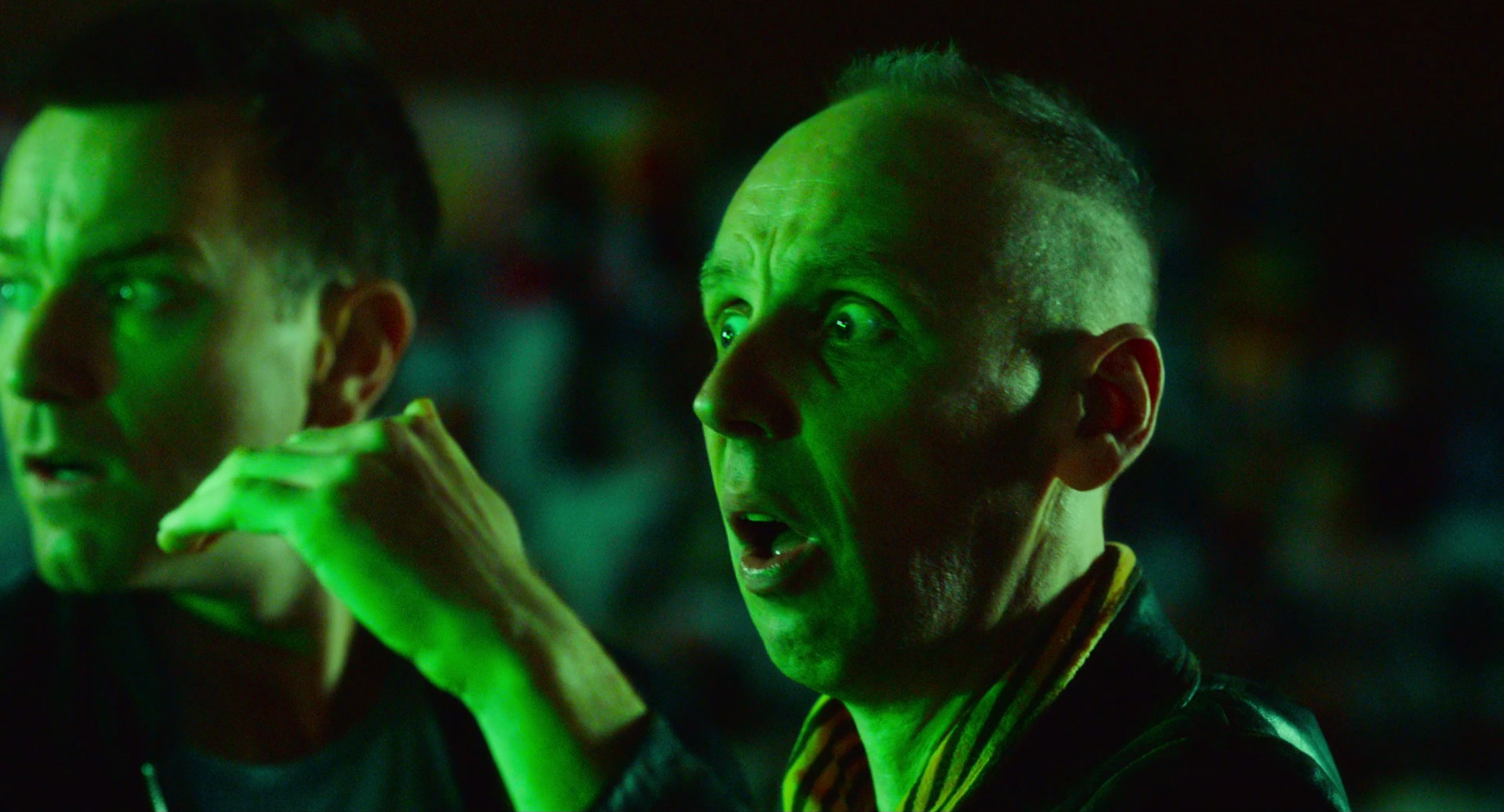
T2 Trainspotting picks up 20 years after the original story, reuniting the original cast: Ewan McGregor, Ewen Bremner, Jonny Lee Miller, and Robert Carlyle. As they navigate a world that has changed around them, themes of nostalgia, regret, and the struggle for redemption take centre stage. The film deftly juxtaposes the characters’ youthful idealism with the harsh realities they now face, including the consequences of their past choices.
The Reception of T2 Trainspotting
Upon its release, T2 Trainspotting received largely positive reviews from critics and audiences alike. Review aggregator Rotten Tomatoes lists an impressive 80% approval rating, reiterating its successful connection to the original while also carving out its identity. Critics praised the film for its emotional depth and the performances of the cast, particularly that of Ewan McGregor, whose return as Renton was both nostalgic and poignant.
Significance for Contemporary Cinema
The success of T2 Trainspotting highlights a growing trend in contemporary cinema: the nostalgia for stories and characters from the past. Viewers appreciate sequels and reboots that provide closure for beloved characters or update their journeys for a new audience. This model has garnered both critiques and praise, fostering discussions about creativity and originality in film.
Conclusion
In conclusion, T2 Trainspotting serves not only as a sequel but also as a reflection of contemporary societal issues surrounding addiction and redemption. Its cultural relevance continues to resonate, reminding audiences of the delicate balance between nostalgia and growth. As the film industry evolves, T2 stands as a testament to the enduring power of well-crafted narratives and the enduring complexities of human relationships. For fans of the original, T2 is both a reunion and a reminder of the inevitability of change, making it a significant entry in modern cinema.