Introduction
The National Aeronautics and Space Administration (NASA) is at the forefront of space exploration and scientific discovery. Established in 1958, NASA has played a critical role in expansions of our understanding of the universe, Earth, and potential life beyond our planet. Its continued relevance has been underscored by recent milestones, including advancements in human spaceflight, robotic missions, and efforts to explore Mars and beyond.
Recent Achievements
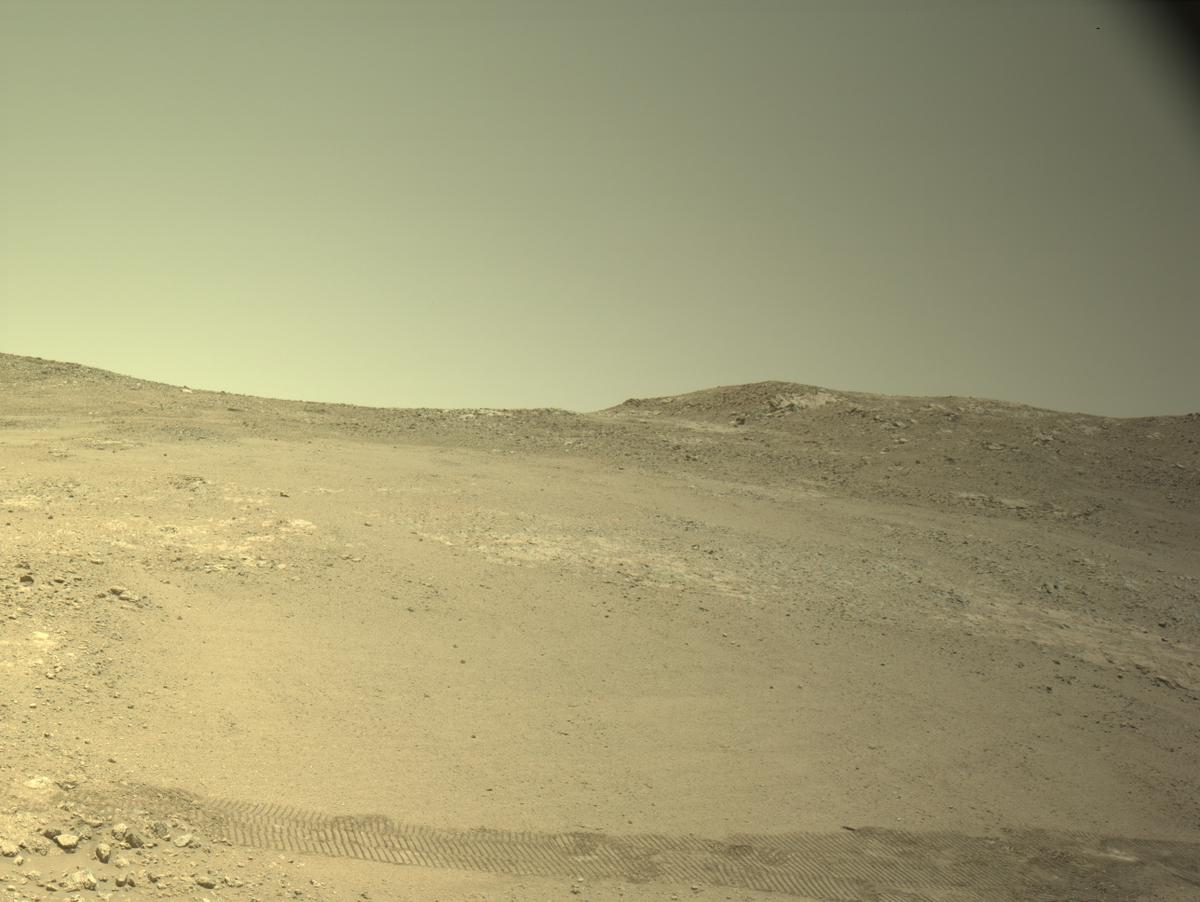
In September 2023, NASA achieved a significant milestone with the successful Artemis I mission, which marked the beginning of its ambitious plan to return humans to the Moon by 2024. The focus is not only on lunar exploration but also on establishing a long-term human presence there. Meanwhile, the Perseverance rover, which landed on Mars in February 2021, continues to send back data about the Martian surface and investigate past microbial life, achieving key scientific objectives routinely.
Furthermore, NASA’s James Webb Space Telescope, launched in December 2021, is providing unprecedented views of the universe. Its capacity to observe exoplanets and distant galaxies is revolutionising our understanding of the cosmos. Recent images released in mid-2023 highlighted the intricate structures of early galaxies, helping scientists learn more about galaxy formation and evolution.
Upcoming Missions
Looking ahead, NASA’s agenda includes exciting projects such as the Lunar Gateway, a planned space station orbiting the Moon that will support lunar exploration and serve as a launching point for missions to Mars. The space agency is also gearing up for its Mars Sample Return Mission, scheduled for the late 2020s, which aims to bring back samples collected by Perseverance for analysis on Earth.
Additionally, the Artemis II mission, expected to carry astronauts around the Moon, is set for 2024, followed by Artemis III, aimed for 2025, which will land the first woman and the next man on the lunar surface. These missions are pivotal to testing technologies for future human exploration of Mars.
Conclusion
Nasa’s initiatives continue to not only advance our knowledge of space but also inspire future generations of scientists, engineers, and explorers. As these groundbreaking missions unfold, they promise to uncover new scientific knowledge and foster international cooperation in space exploration. For readers keen on the wonders of the universe, NASA remains a cornerstone of innovation and discovery, opening doors to infinite possibilities.