Introduction
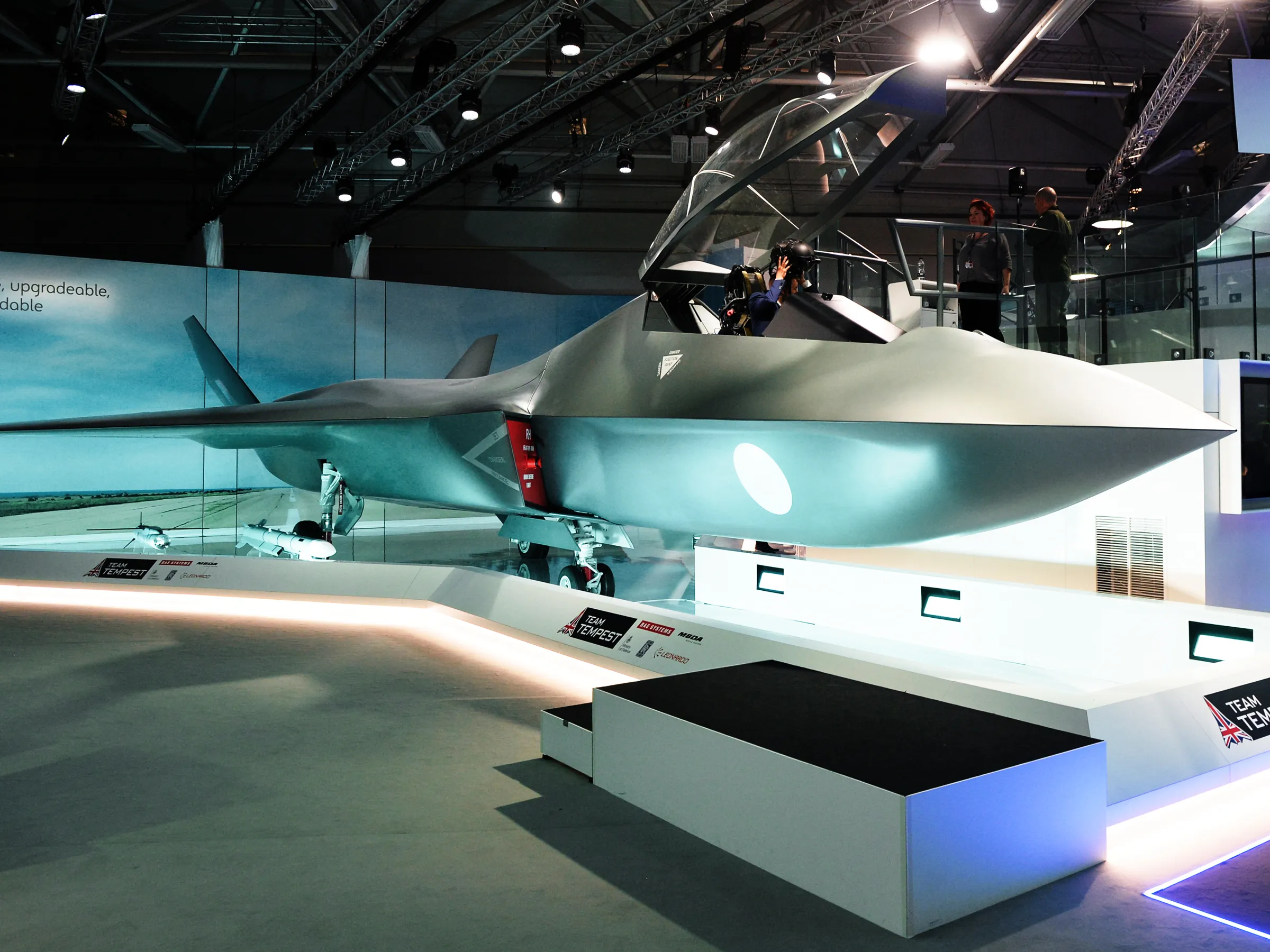
The Tempest fighter jet represents a significant ambition for the UK’s defence strategy, aiming to establish a new generation of combat air capabilities by 2035. As global air threats evolve, the necessity for advanced fighter jets that can operate autonomously and integrate seamlessly with next-generation technology has never been more critical. The Tempest project, backed by the UK Ministry of Defence, industry giants, and international partners, is gaining momentum, reflecting a pivotal shift in military aviation.
Current Developments
Recently, the Tempest programme has reached several key milestones, including the unveiling of its design and the advancement of its technical specifications. In September 2023, the UK government confirmed an additional £2 billion investment over the next four years aimed at developing the Tempest alongside Italy and Sweden as part of the Future Combat Air System (FCAS). This funding will facilitate the development of significant technologies such as edge computing, enhanced avionics, and next-generation weaponry.
The collaboration among these nations highlights the increasing trend of international partnerships in defence technology, particularly as it pertains to air superiority. The joint efforts aim to leverage the combined expertise of multiple nations, ensuring a robust and effective end product.
Technological Innovations
The Tempest fighter jet is expected to incorporate several groundbreaking technologies, including artificial intelligence (AI)-driven systems that enhance decision-making in combat situations. The integration of AI will pave the way for advanced autonomous operations, precision targeting, and improved situational awareness, providing a significant edge in both offensive and defensive operations.
Challenges Ahead
Despite the ambitious goals of the Tempest programme, several challenges remain. One of the primary hurdles is maintaining the technological pace alongside fast-evolving adversaries. Additionally, budget constraints and political uncertainties within partner nations could impact timelines and collaborative efforts. Ensuring consistent funding and political support is essential for the successful development of Tempest and its capabilities.
Conclusion
The Tempest fighter jet is poised to play a crucial role in the United Kingdom’s future air defence strategy, blending advanced technology with international collaboration to ensure the nation remains at the forefront of military aviation. As global aerial threats continue to shift, the evolution of aircraft like the Tempest will be vital not only for national security but also for establishing a competitive edge in international military capabilities. With looming challenges, continued investment and cooperation will be paramount to bring this ambitious project to fruition by its projected operational date.