Introduction
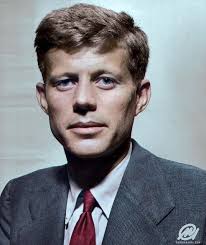
John F. Kennedy, often referred to as JFK, remains one of the most iconic figures in American history. His presidency from 1961 until his assassination in 1963 marked a tumultuous period marked by the Cold War, civil rights movements, and new frontiers in space exploration. Understanding JFK’s contributions and their lasting impact is crucial as they continue to influence American society and politics today.
Key Events and Policies
JFK’s tenure as the 35th President of the United States was highlighted by significant events. One of the most notable was the Cuban Missile Crisis in October 1962, which brought the world to the brink of nuclear war. Kennedy’s administration was credited with a strategic balancing act that helped resolve this crisis diplomatically without military action, showcasing his commitment to peace.
On the domestic front, JFK was a proponent of civil rights and took steps toward desegregation, pushing for legislation to support African Americans in their fight for equality. His famous quote, “Ask not what your country can do for you, ask what you can do for your country,” encapsulated his vision of active citizenship and community involvement.
The Space Race
JFK’s influence extended into the realm of science and technology. His ambitious goal of landing a man on the moon before the end of the 1960s was a response to the Soviet Union’s early triumphs in space, including Yuri Gagarin’s orbit of Earth in 1961. His speech at Rice University in 1962 highlighted this ambition, inspiring a generation to look towards the stars and initiating a space race that eventually led to the Apollo 11 Moon landing in 1969.
Assassination and Aftermath
Tragically, JFK’s life and presidency were cut short when he was assassinated in Dallas, Texas, on November 22, 1963. His death not only shocked the nation but also led to a profound period of mourning and reflection. Conspiracy theories surrounding his assassination have persisted, further solidifying his place in the annals of American history.
Conclusion
JFK’s legacy endures in various facets of American life, from civil rights to space exploration. His vision for a nation engaged both domestically and internationally continues to resonate today. As we reflect on his contributions, it is clear that Kennedy’s impact on American history is indispensable for understanding the past, present, and future of the country. His presidency may have been brief, but it was undeniably transformative, encouraging new generations to pursue change and strive for greatness.