Introduction
‘All Creatures Great and Small’, a beloved series by James Herriot, continues to resonate with audiences across generations. First published in 1972, the collection of semi-autobiographical stories revolves around the life of a rural veterinarian in Yorkshire during the 1930s. The relevance of this work today is evident in the renewed interest sparked by the recent television adaptations, which highlight both the nostalgia of simpler times and the timeless bonds between humans and animals.
The Impact of James Herriot’s Stories
James Herriot, the pen name of veterinarian James Alfred Wight, used his experiences to encapsulate the trials, joys, and quirks of veterinary life. His ability to convey profound empathy for animals and their owners not only entertained but also educated readers about animal care. The series has sold millions of copies worldwide and has been translated into more than 30 languages, making it accessible to a broad audience.
Television Adaptations
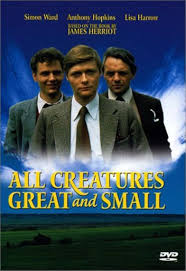
The initial BBC television adaptation aired in the 1970s and introduced Herriot’s enchanting world to a new audience. However, it is the more recent reboot launched in 2021 that has captured significant attention. The modern series has been praised for its faithful representation of the original material, along with stunning cinematography that showcases the beautiful Yorkshire landscape. Viewership ratings have soared, indicating a successful revival of interest in Herriot’s stories amidst contemporary viewers.
Cultural and Educational Significance
‘All Creatures Great and Small’ offers more than just entertainment; it serves as an educational tool about veterinary science and animal welfare. It inspires compassion for animals and raises awareness about rural life in the UK. The stories provide a glimpse into the evolutionary changes in veterinary practices and attitudes toward animals over the decades, all while maintaining a light-hearted and warm narrative style.
Conclusion
The ongoing popularity of ‘All Creatures Great and Small’ underscores its significance in literary and cultural history. Its portrayal of the deep connections between humans and animals resonates well in today’s fast-paced world, offering a retreat into a gentler and more compassionate view of life. As the series continues to be explored through new adaptations, it remains a vital piece of British culture, reminding readers and viewers alike of the joys and challenges inherent in caring for all creatures, great and small.