Introduction
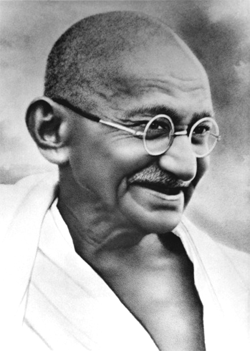
Mahatma Gandhi, a pivotal figure in the fight for India’s independence, is renowned for his philosophy of non-violence and civil disobedience. His principles not only played a vital role in the Indian independence movement against British colonial rule but have also inspired various global movements advocating for peace and social justice. As India celebrates the 154th anniversary of his birth on October 2nd, the relevance of Gandhi’s teachings in contemporary society prompts a reflection on his significant contributions and values.
The Life and Ideology of Gandhi
Born on October 2, 1869, in Porbandar, Gujarat, Gandhi’s journey toward becoming a leader of non-violence and peace began in South Africa, where he fought against racial discrimination. His experiences there paved the way for his philosophies, which emphasised the power of peaceful protest and the importance of truth, or ‘Satyagraha’. Upon his return to India in 1915, he became a central figure in the Indian National Congress and led several critical movements, including the Salt March in 1930, which protested British salt taxes.
Gandhi’s Global Influence
Gandhi’s impact transcended Indian borders. His methodologies have inspired notable figures and movements worldwide, including Martin Luther King Jr. in the United States and Nelson Mandela in South Africa. As they confronted severe injustices, both leaders adopted Gandhi’s tactics of non-violent resistance, showcasing how Gandhi’s philosophy remains a guiding light in the struggle against oppression. The growing global climate of civil unrest and advocacy for social justice continues to echo Gandhi’s ideals, proving that his vision for a just world is still essential today.
Risks to His Legacy
Despite the widespread admiration for Gandhi, his legacy faces various challenges in the modern context. The rise of divisive rhetoric and violence in social movements raises questions about the commitment to non-violence and dialogue. Additionally, the misrepresentation of Gandhi’s teachings in political debates can dilute their essence, facing a generation uncertain about how to apply these principles in today’s complex world.
Conclusion
As we honour the legacy of Mahatma Gandhi, it becomes increasingly crucial to understand and implement his ideals of peace, harmony, and non-violent resistance. In an era still struggling with conflict and inequality, revisiting Gandhi’s teachings serves as an invaluable reminder of the power of peaceful protest and the potential for positive change. As we move forward, the challenge lies in translating these principles into tangible actions that foster global peace and unity, ensuring Gandhi’s legacy continues to thrive and inspire future generations.