Introduction
Dortmund, situated in the North Rhine-Westphalia region of Germany, is a city that combines a rich industrial legacy with vibrant cultural offerings. Once known as a coal and steel centre, Dortmund has successfully navigated through economic changes, transforming itself into a cultural and economic hub that attracts both tourists and residents. Understanding Dortmund’s significance provides insight into the evolution of urban centres in Germany and their adaptability to global changes.
Economic Transformation
The recent transformation of Dortmund’s economy is significant. In the 20th century, the city was heavily associated with coal mining and steel production. However, as these industries declined, Dortmund diversified its economy, moving towards high-tech industries and services. Today, the city boasts a thriving technology sector, including IT and research institutions. The establishment of the Technology Park Dortmund in 1995 has played a crucial role in this transition, contributing to job creation and attracting startups.
Cultural Highlights
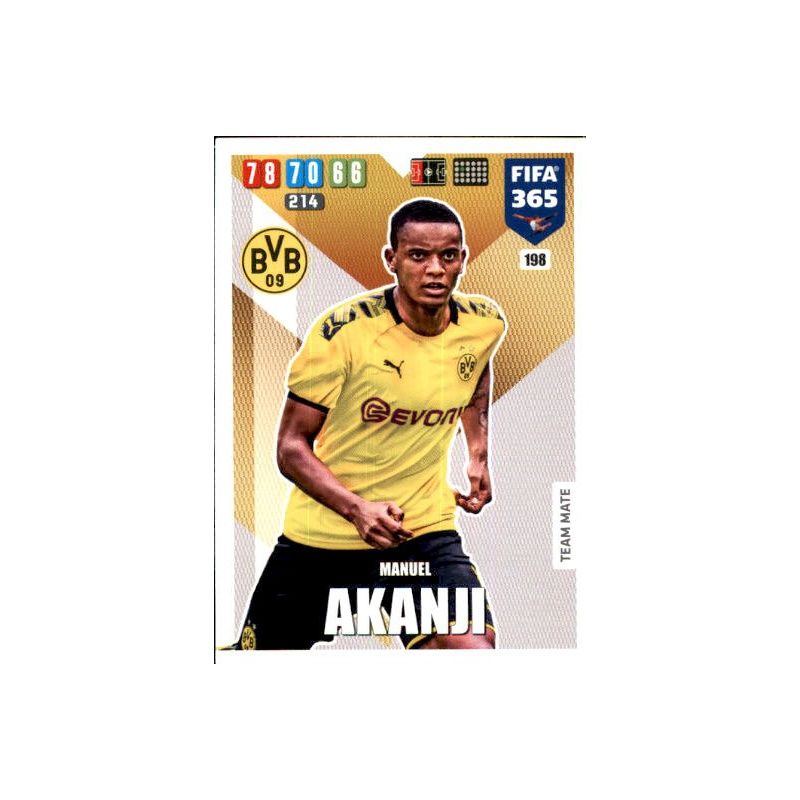
Dortmund is not just an economic centre; it’s also rich in cultural heritage. The city is well known for its football club, Borussia Dortmund, which has a massive following and has won numerous national championships. The iconic Signal Iduna Park stadium, with a seating capacity of over 80,000, offers an exhilarating matchday experience that embodies the passion of the locals.
Moreover, Dortmund has a thriving arts scene. The Museum Ostwall and the Dortmund U, a cultural centre housed in a former brewery, provide platforms for contemporary art. The annual Dortmund Christmas market is another highlight, drawing people from across the region to enjoy handmade crafts and seasonal delicacies, showcasing local traditions.
Future Prospects
As Dortmund moves forward, it’s focusing on sustainability. The city aims to become a leader in green technology, with various initiatives aimed at reducing carbon emissions and promoting renewable energy. Additionally, the rise in remote work trends presents an opportunity for Dortmund to attract professionals seeking a balance of urban living and affordability.
Conclusion
Dortmund stands as a testament to the resilience and adaptability of urban centres. From its industrial roots to its burgeoning technology sector and vibrant cultural offerings, the city has successfully embraced change. As Dortmund continues to grow and evolve, it remains an important player in both the German and European contexts, offering valuable lessons on urban development and innovation to cities worldwide.