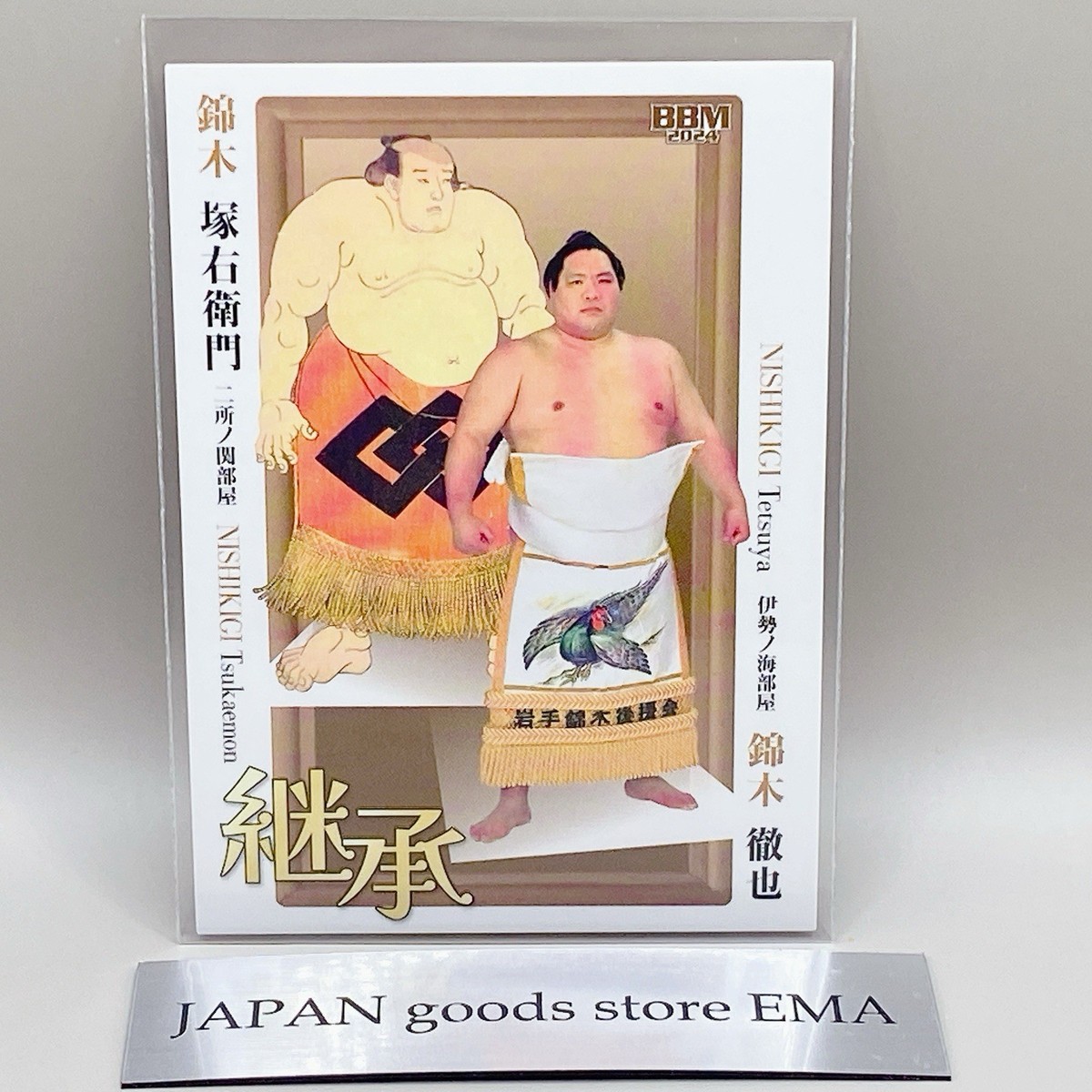
Introduction to Sumo Wrestling
Sumo wrestling, a traditional Japanese sport, is not only about strength and technique but also steeped in rich cultural significance. With roots tracing back over 1,500 years, this ancient sport has evolved while maintaining its fundamental rituals and practices. In recent times, sumo has gained international appeal, attracting fans from all walks of life, making it crucial to explore what makes this sport so unique and relevant in today’s world.
The Structure of Sumo Wrestling
Sumo matches are held in a circular ring called a ‘dohyo’, made from clay and covered with a layer of sand. The objective is simple: to force the opponent out of the ring or to make any part of their body other than the soles of their feet touch the ground. Competitors, known as ‘rikishi’, are divided into various ranks, with the highest being ‘yokozuna’. The highest-ranking wrestlers undergo rigorous training and are expected to adhere to strict standards of conduct and performance.
Recent Developments
As of Autumn 2023, the world of sumo wrestling has witnessed exciting developments. The recent Grand Sumo Tournament held in Tokyo showcased rising stars such as Hoshoryu and Kiribayama, who are making a mark at the highest levels of competition. These wrestlers represent a new generation that is reinventing how sumo is perceived, engaging younger fans and viewers worldwide.
Significance of Sumo Wrestling
Beyond the physical aspects, sumo wrestling is rich in tradition, with each match preceded by ceremonial rites that enhance the spiritual experience. Wrestlers engage in rituals involving salt purification, symbolic of cleansing the ring and the competitors. Such rituals highlight sumo’s connection to Shintoism, Japan’s indigenous religion. The sport serves as a cultural ambassador, reflecting Japan’s history, values, and communal spirit.
Future of Sumo Wrestling
The future of sumo wrestling looks promising, with an increasing number of international participants and media coverage that brings the sport to a global audience. Initiatives to teach and integrate younger generations into sumo demonstrate a commitment to preserving its legacy, while also adapting to modernity. For fans and enthusiasts alike, the growing influence of sumo presents opportunities to engage with a sport that marries physical prowess with deep cultural roots.
Conclusion
Sumo wrestling transcends being just a sport; it is a cultural phenomenon that continues to captivate audiences far beyond Japan. As it adapts to modern times while honouring its traditions, sumo wrestling remains a significant part of Japan’s identity and offers valuable lessons in discipline, respect, and perseverance to people around the world. In a rapidly changing global landscape, sumo serves as a compelling reminder of the importance of heritage and tradition.