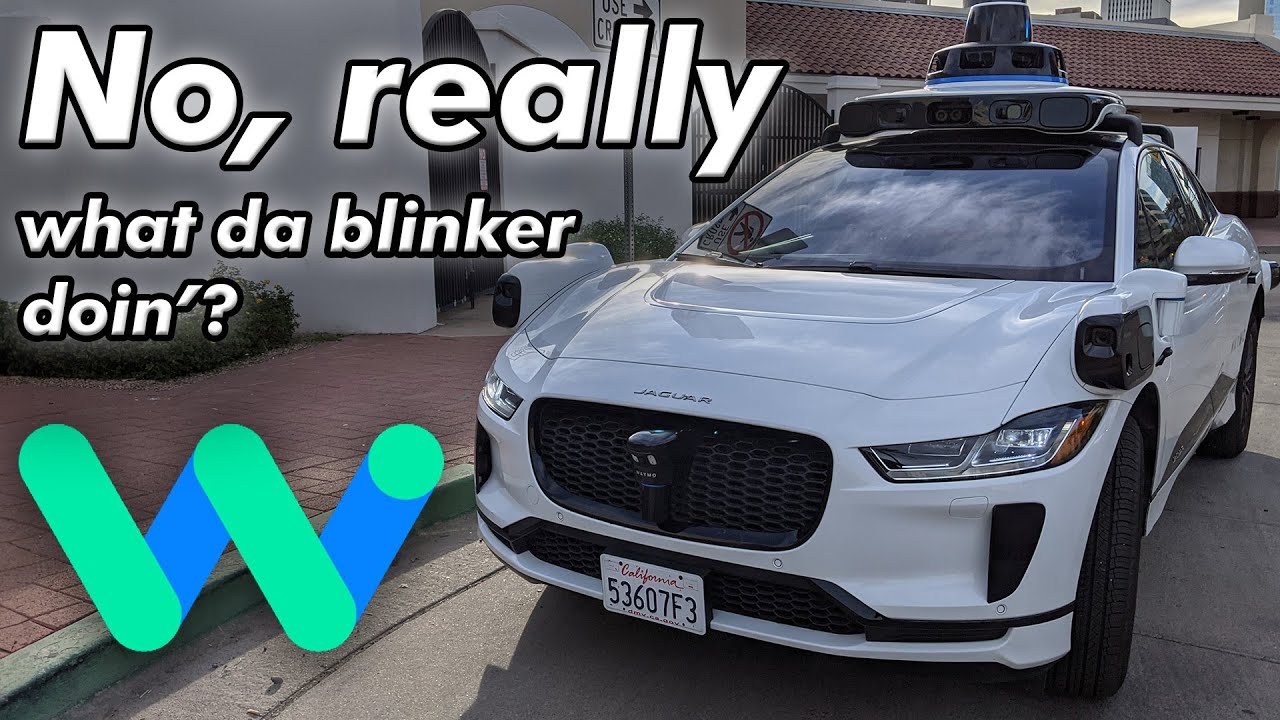
Introduction to Waymo
Waymo, a subsidiary of Alphabet Inc., has been at the forefront of autonomous vehicle technology since its inception in 2009. Initially a project under Google, Waymo has become synonymous with self-driving cars, pushing the boundaries of what is possible in transportation. As cities grapple with congestion and pollution, the relevance of Waymo’s innovations is becoming increasingly critical for shaping the future of mobility.
Recent Developments and Milestones
In recent months, Waymo has made significant strides in its mission to roll out fully autonomous ride-hailing services. During a public demonstration in Phoenix, Arizona, the company successfully completed its first fully driverless trip, marking a major milestone in its testing programme. With over 20 million miles driven on public roads and billions of simulations, Waymo’s data-driven approach reinforces its commitment to safety and reliability.
In October 2023, Waymo announced its partnership with Lyft, allowing users of the ride-hailing app to book rides in Waymo’s autonomous fleet. This integration highlights not only the growing public acceptance of self-driving technology but also sets the stage for potential expansion into other metropolitan areas, as both companies aim to create a seamless travel experience.
Challenges and Considerations
Despite these advancements, Waymo faces several challenges. Regulatory hurdles remain a significant barrier, as concerns over safety and cybersecurity in autonomous vehicles continue to surface. Moreover, the company must navigate a complex web of local, state, and federal regulations that vary widely across the United States.
Public perception is another area of concern; while many welcome the advancements in technology, others remain sceptical about the safety of self-driving vehicles. Waymo has invested heavily in stakeholder engagement, demonstrating its commitment to transparency and open communication about the capabilities and limitations of its technology.
The Future of Waymo and Autonomous Transport
Looking ahead, Waymo’s operations are poised for significant expansion. With plans to broaden its services to additional cities and enhance the safety and efficiency of its vehicles, the potential for revolutionising personal and public transport is immense. Industry experts predict that if current trends continue, fully autonomous cars could become a common sight on roads within the next decade.
Conclusion
Waymo is leading the charge in the field of autonomous driving, presenting both opportunities and challenges as it shapes the future of transportation. As the public becomes more familiar with driverless technology, the possibilities for innovation in urban mobility grow. Waymo’s journey not only reflects technological advancements but also serves as a case study in navigating the complexities of modern transport solutions. The coming years will be crucial in determining how seamlessly autonomous vehicles integrate into daily life and how they will address pressing urban challenges.



