Introduction
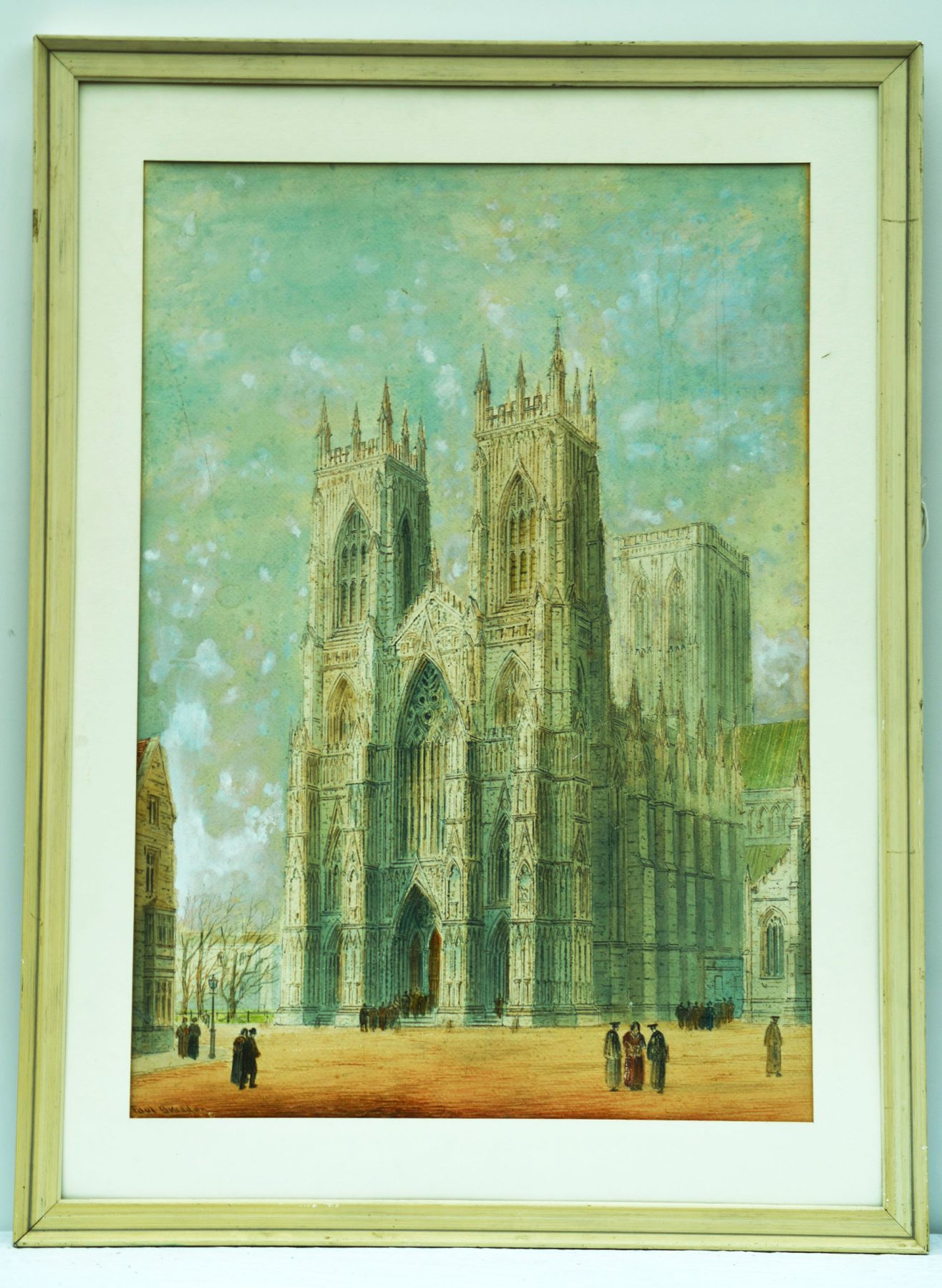
Westminster Cathedral, the largest Catholic church in England, is an architectural marvel and an iconic symbol of faith in the heart of London. Its significance extends beyond its impressive facade; it serves as a spiritual haven, a cultural landmark, and a testament to the rich history of Catholicism in the UK. Built in the early 20th century, the cathedral reflects the values and beliefs of a community and remains a hub for worship, tourism, and community events.
Construction and Design
Construction of Westminster Cathedral began in 1895, led by architect John Francis Bentley, who envisioned a site that would echo the grand cathedrals of Europe. Completed in 1903, the cathedral showcases a Byzantine revival style and features a striking brickwork exterior adorned with intricate mosaics. The interior, with its soaring vaults and magnificent altar, is a masterpiece designed to inspire awe and devotion among parishioners and visitors alike.
Recent Developments
In recent years, Westminster Cathedral has faced a series of challenges, including financial issues and the need for restoration work. However, efforts to preserve and promote the cathedral’s heritage remain steadfast. A fundraising campaign launched in 2022 has seen significant support from both the local community and international benefactors, aimed at restoring the iconic mosaics and improving accessibility for visitors. These initiatives highlight the cathedral’s commitment to not only preserving its historical elements but also welcoming a diverse range of worshippers and tourists.
The Role of Westminster Cathedral Today
Today, Westminster Cathedral serves as the mother church of the Archdiocese of Westminster and plays a pivotal role in the Catholic community in England. It hosts a variety of events including Mass, weddings, and special liturgical celebrations. Additionally, the cathedral attracts thousands of visitors each year, offering guided tours that educate guests about its historical and architectural significance. As a cultural hub, it also facilitates concerts and art exhibits, fostering a greater appreciation for the arts within the context of faith.
Conclusion
In conclusion, Westminster Cathedral stands as a testament to the enduring power of faith and community. Its architectural beauty, historical importance, and ongoing relevance in modern society make it a key landmark in London. As the cathedral continues to evolve and adapt to the needs of its congregation, it remains a cherished centre of Roman Catholic life in the UK, ensuring that its legacy endures for future generations.