Introduction
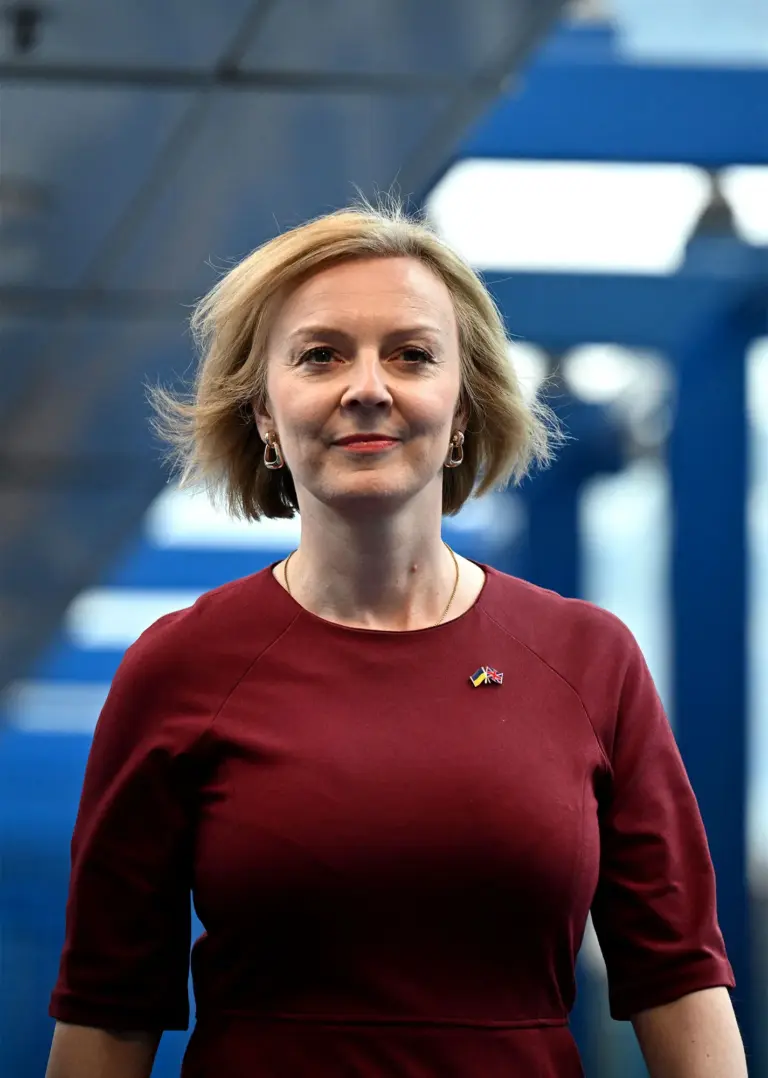
Nadine Dorries, a prominent figure in British politics, has recently made headlines as she navigates the complexities of her career and public life. A former Secretary of State for Digital, Culture, Media and Sport, Dorries’ actions and words have consistently generated conversation across the media landscape. As a high-profile member of the Conservative Party, her activities are of significant interest to both constituents and political commentators alike.
Current Events
Recently, Dorries has been in the news due to her outspoken opposition to certain government policies, as well as her candid discussions regarding the future of the Conservative Party under Prime Minister Rishi Sunak’s leadership. In an interview, Dorries expressed concern over the party’s direction, emphasising the need for a more relatable approach to connect with the public. She called for innovative policies that resonate with ordinary citizens, particularly in the wake of the cost of living crisis that has beset the UK.
Furthermore, Nadine Dorries has announced potential plans to return to reality television, an area she famously explored during her time on “I’m a Celebrity… Get Me Out of Here!” This move has sparked debates about the role of politicians in entertainment and whether such engagements detract from their political responsibilities. Dorries has defended her interest as a means to reach wider audiences on pressing issues.
Public Reaction and Political Implications
The reaction to Dorries’ statements and her potential television return has been mixed. Supporters see her as a refreshing voice within the Conservative Party, potentially bridging the gap between traditional politics and popular culture. Critics, however, worry that her dual interests may dilute her effectiveness as a politician, with some even questioning her commitment to legislative responsibilities.
Conclusion
Nadine Dorries remains a compelling figure in British politics, with her blend of entertainment and political engagement offering both opportunities and challenges. As the political landscape evolves, her future activities will likely draw continued scrutiny. Observers predict that Dorries will continue to play a significant role in the Conservative Party’s efforts to reconnect with the electorate amid changing public sentiments. For readers, it is essential to stay informed about such developments, as they may shape the discourse within the party and influence the greater political environment in the UK.