Introduction
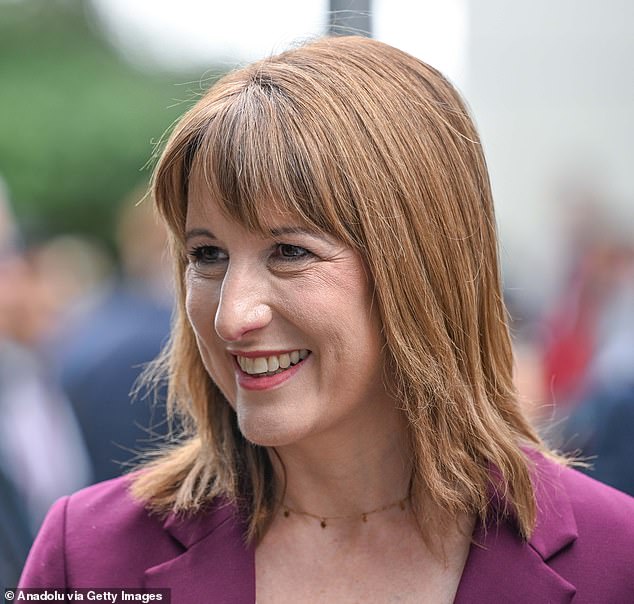
In recent weeks, UK Shadow Chancellor Rachel Reeves has made headlines with her new proposals regarding property taxes. Her plan is part of a broader strategy to address the escalating affordability crisis in the UK housing market. As property prices soar, particularly in major cities like London, the focus on how property taxes are structured has never been more pertinent. Reeves’s proposals aim to balance tax burdens while encouraging investment and home ownership.
The Proposal Details
On October 15, 2023, during a keynote speech at the Labour Party Conference, Rachel Reeves outlined her intentions to reform the property tax system. She proposed a tiered approach to property taxes that would adjust tax rates based on the value of the property and its location. This would mean higher tax rates for wealthy homeowners in high-value areas while providing relief for working families and first-time buyers.
Additionally, Reeves suggests a review of business rates, proposing that community interest be considered to help local industries thrive. This aspect of the reform is particularly significant as the government aims to revitalize high streets and support local businesses struggling after the pandemic.
Public and Political Reaction
The reaction to Reeves’s proposals has been mixed. Supporters argue that these changes are long overdue and could lead to a more equitable taxation system that alleviates pressure on first-time buyers. Critics, however, express concerns over potential disincentives for home ownership and investment if taxes become too high.
Conservative commentators have labelled the proposals as ‘classic Labour’, suggesting that increased taxes could hinder economic growth and job creation. Reeves has countered this argument by highlighting the importance of a sustainable housing market that benefits all citizens, particularly those feeling the pinch of rising costs.
Conclusion and Significance
As Rachel Reeves’s proposals on property taxes are debated among lawmakers and the public, their potential implementation could significantly reshape the UK property landscape. Analysts believe that if enacted, these measures might not only improve housing affordability but also stimulate the economy through increased consumer confidence.
Looking ahead, the discussion around property taxes is expected to ramp up as the next general election approaches. Voters will be keenly watching how these plans might affect their financial situations and the housing market. For now, Reeves’s proposals mark a critical and timely intervention in an increasingly complex economic environment.