Who is involved
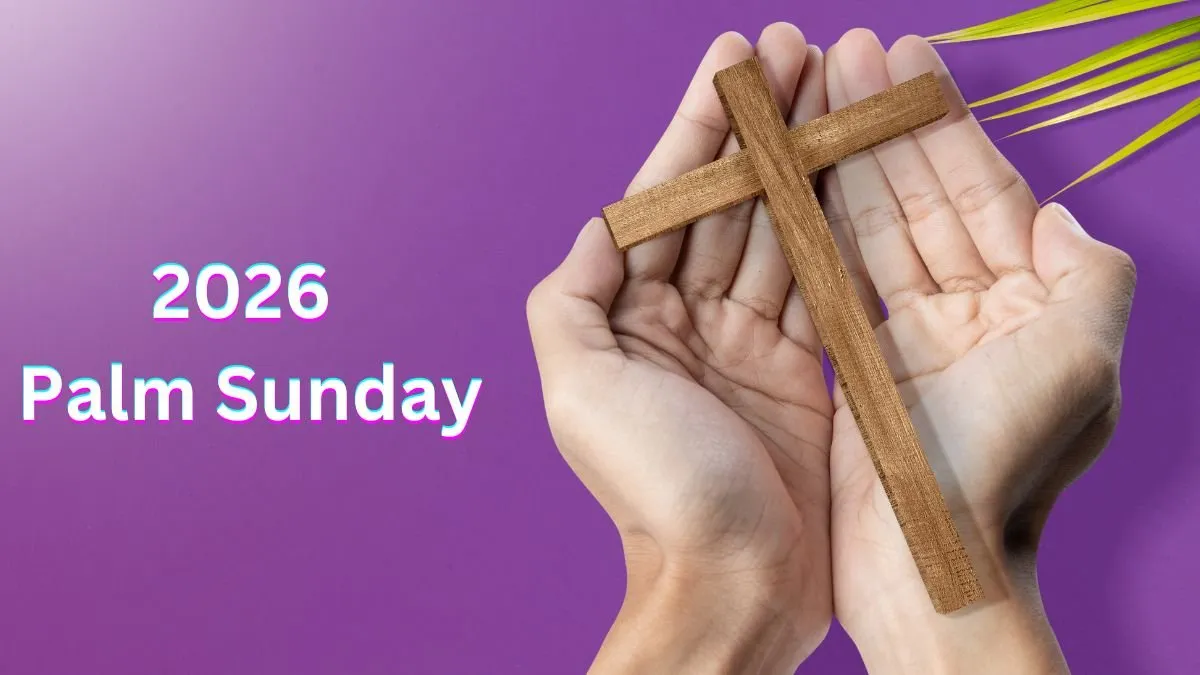
Palm Sunday, celebrated on March 29, 2026, traditionally marks the beginning of Holy Week, a time of reflection and reverence for Christians around the world. This day commemorates Jesus Christ’s triumphant entry into Jerusalem, where crowds welcomed him with palm branches, a symbol of peace and victory. However, this year, the atmosphere surrounding Palm Sunday in Jerusalem was markedly different from what many had anticipated.
In the lead-up to Palm Sunday 2026, expectations were high for a vibrant celebration at the Church of the Holy Sepulchre, a sacred site for Christians. Church leaders and the faithful looked forward to gathering in prayer and unity, as they have done for centuries. However, a decisive moment occurred when Israeli police barred church leaders from entering the church, a move that had not been seen in centuries. This unprecedented action created a stark contrast to the usual festivities associated with this significant day.
The immediate effects of this decision were profound. For the first time in generations, church leaders were unable to celebrate the Palm Sunday Mass at the Church of the Holy Sepulchre. The Latin Patriarchate reported that the police’s actions prevented the Heads of the Church from fulfilling their roles during this pivotal moment in the Christian calendar. This disruption not only affected the clergy but also left many worshippers feeling disheartened and excluded from a cherished tradition.
In response to the situation, Pope Leo XIV addressed the congregation during the Palm Sunday Mass, emphasizing the importance of peace and the rejection of war. He stated, “Brothers and sisters, this is our God: Jesus, King of Peace, who rejects war, whom no one can use to justify war.” His words resonated deeply, especially in a region where conflict often overshadows the message of hope and reconciliation that Palm Sunday embodies.
The Italian government also voiced its concern over the police’s decision, with Prime Minister Giorgia Meloni stating, “The Holy Sepulchre in Jerusalem is a sacred place of Christianity, and as such must be preserved and protected.” This sentiment reflects a broader call for respect and protection of religious sites, underscoring the significance of Jerusalem as a focal point for Christian faith.
As the day unfolded, the atmosphere was charged with a mix of disappointment and resilience. Many worshippers gathered outside the Church of the Holy Sepulchre, holding palm branches and singing hymns, determined to uphold the spirit of Palm Sunday despite the barriers placed before them. This act of solidarity highlighted the community’s commitment to their faith and traditions, even in the face of adversity.
Looking ahead, the events of Palm Sunday 2026 will likely have lasting implications for the relationship between religious communities and authorities in Jerusalem. As Maundy Thursday approaches on April 2, 2026, followed by Good Friday and Easter Sunday, the hope remains that dialogue and understanding will prevail, allowing for a peaceful observance of these sacred days. However, details remain unconfirmed regarding any changes to the restrictions imposed during this Holy Week.