Reaction from the field
On March 25, 2026, thousands of Argentinians marched through the streets of Buenos Aires, marking a poignant moment in the nation’s history as they commemorated the 50th anniversary of the last military coup. This significant event serves not only as a reminder of the past but also as a powerful statement against the potential for future authoritarianism. The day is a national holiday, dedicated to honoring the estimated 30,000 individuals who were forcibly disappeared during the dictatorship’s notorious ‘Dirty War’.
The atmosphere was charged with emotion as participants held banners and chanted slogans, reflecting on the sacrifices made for democracy. The memory of those who suffered under the military regime resonates deeply within the Argentine community, reminding them of the importance of vigilance in protecting their democratic institutions.
Justice Elena Kagan recently posed a thought-provoking question during a U.S. Supreme Court oral argument regarding presidential immunity, asking, “He’s gone. Let’s say this president who ordered the military to stage a coup. He’s no longer president, he wasn’t impeached, he couldn’t be impeached, but he ordered the military to stage a coup. You’re saying that’s an official act. That’s immune?” This inquiry highlights the complexities and potential dangers of unchecked power, drawing parallels to historical events like the military coup in Argentina.
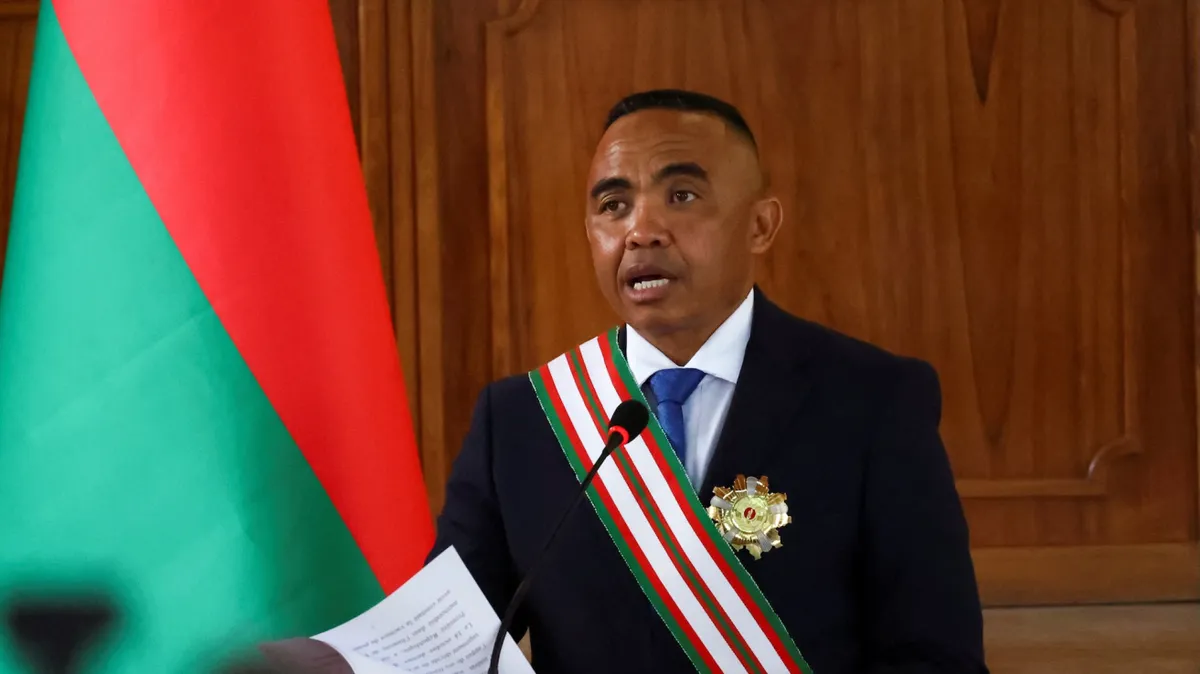
In a related context, Madagascar experienced a coup in October 2025, when Colonel Michael Randrianirina deposed President Andry Rajoelina. This event, described as a ‘coupvolution’, was marked by a popular uprising that culminated in the military’s intervention. The Southern African Development Community (SADC) chose not to suspend Madagascar, as power was transferred to Randrianirina through the High Constitutional Court. However, the African Union (AU) took a different stance, suspending Madagascar due to what they deemed an unconstitutional change of government.
Randrianirina has pledged to restore democratic civilian governance within 18 to 24 months, a commitment that the international community will be watching closely. The dialogue process to restore civilian rule should be inclusive, ensuring that all voices are heard in the transition towards democracy.
The Argentine march serves as a reminder of the fragility of democracy and the ongoing struggle for human rights. As the nation reflects on its past, it also looks toward the future, emphasizing the need for continued vigilance against any threats to democratic governance.
As the events in Madagascar unfold and the situation remains fluid, the Argentine community stands united in their commitment to preserving democracy and honoring the memory of those lost. Details remain unconfirmed regarding the broader implications of these international events, but the lessons from history continue to resonate strongly in Argentina and beyond.