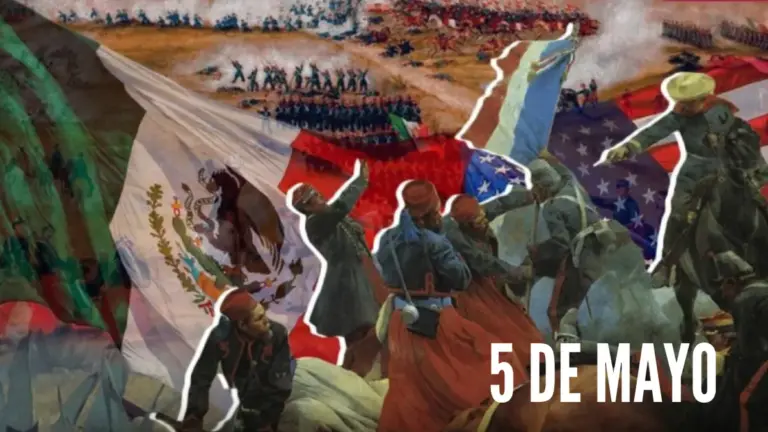
Cinco de Mayo, a holiday that celebrates Mexico’s victory at the Battle of Puebla in 1862, has become a vibrant symbol of Mexican-American culture across the United States. While it holds significant meaning for many, it remains a relatively minor holiday in Mexico itself.
The first American Cinco de Mayo celebration took place in 1862 in California, coinciding with the actual battle where the Mexican army triumphed over French forces. This year marks an important milestone as communities prepare for festivities on May 5, 2026, particularly in Puebla, Mexico, where the holiday originated.
Key facts about Cinco de Mayo:
- Cinco de Mayo commemorates Mexico’s victory over French forces at the Battle of Puebla.
- The holiday is not to be confused with Mexico’s Independence Day, which is celebrated on September 16.
- It gained popularity in the U.S. during the 1970s and 1980s largely due to marketing efforts by beer companies.
- Cultural gatherings often feature traditional foods like mole poblano.
Fernando Paloma, who spent 29 years in Mexico before celebrating Cinco de Mayo in the U.S., noted, “In Mexico, it is the contrary; Mexico celebrates more the 15th and the 16th of September, which was ‘El Grito’ of the Independence of Mexico.” This highlights how American celebrations often overshadow their Mexican roots.
Rick Stepp remarked, “Cinco de Mayo is probably the most misunderstood holiday in North America.” Many people associate it with general Mexican culture rather than its specific historical context. The Chicano movement played a crucial role in popularizing this celebration among Mexican-Americans as a way to honor their heritage.
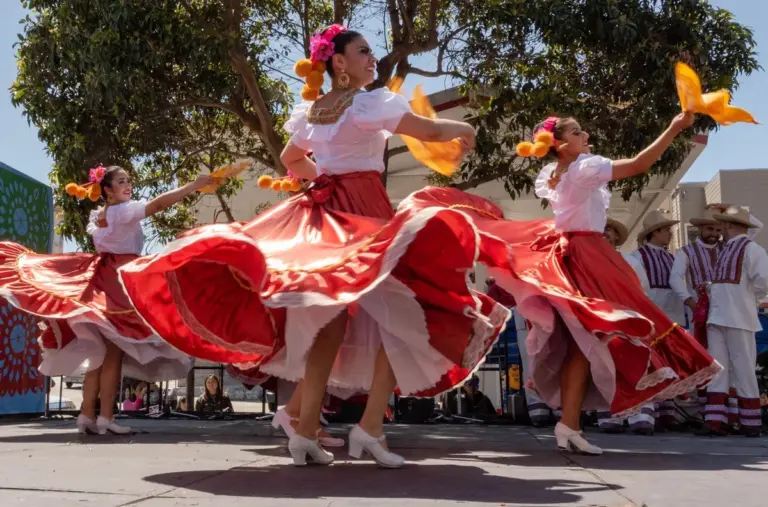
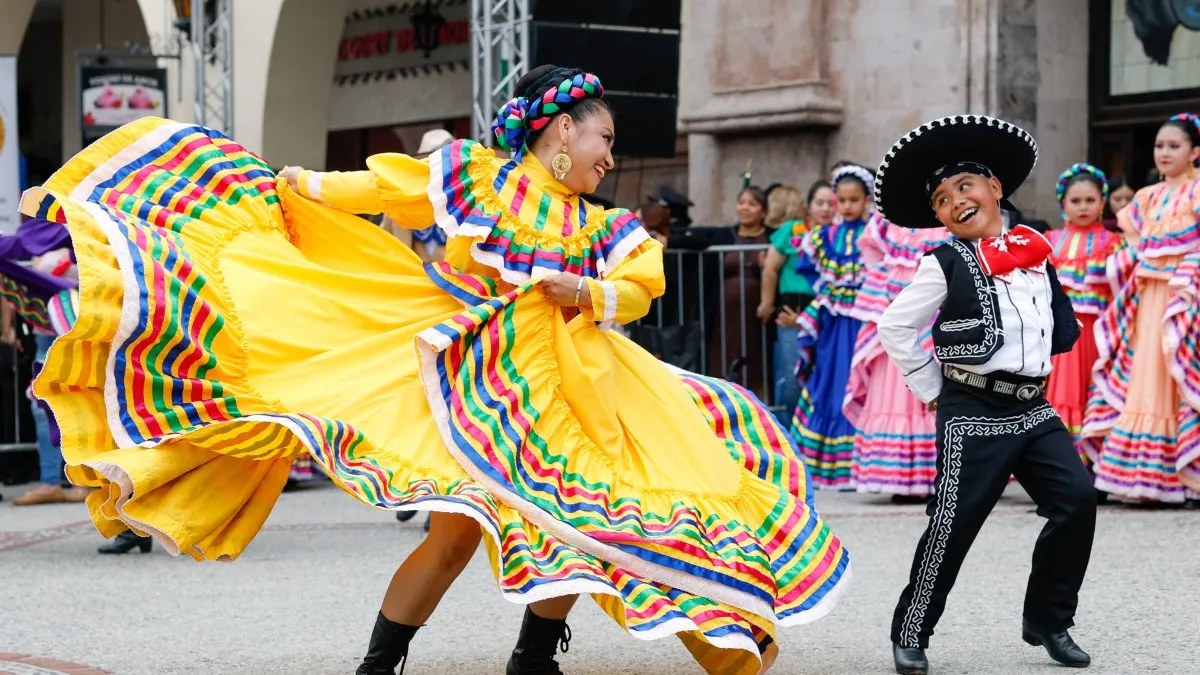
As communities prepare for this year’s festivities, they expect lively parades filled with music, dance, and food that reflect their cultural pride. Observers note that despite its commercialization, Cinco de Mayo continues to foster a sense of community and identity among those who celebrate it.