The Importance of Comet Exploration
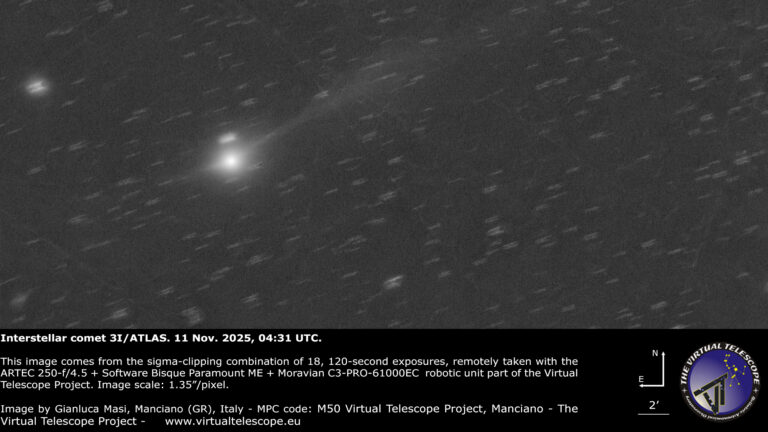
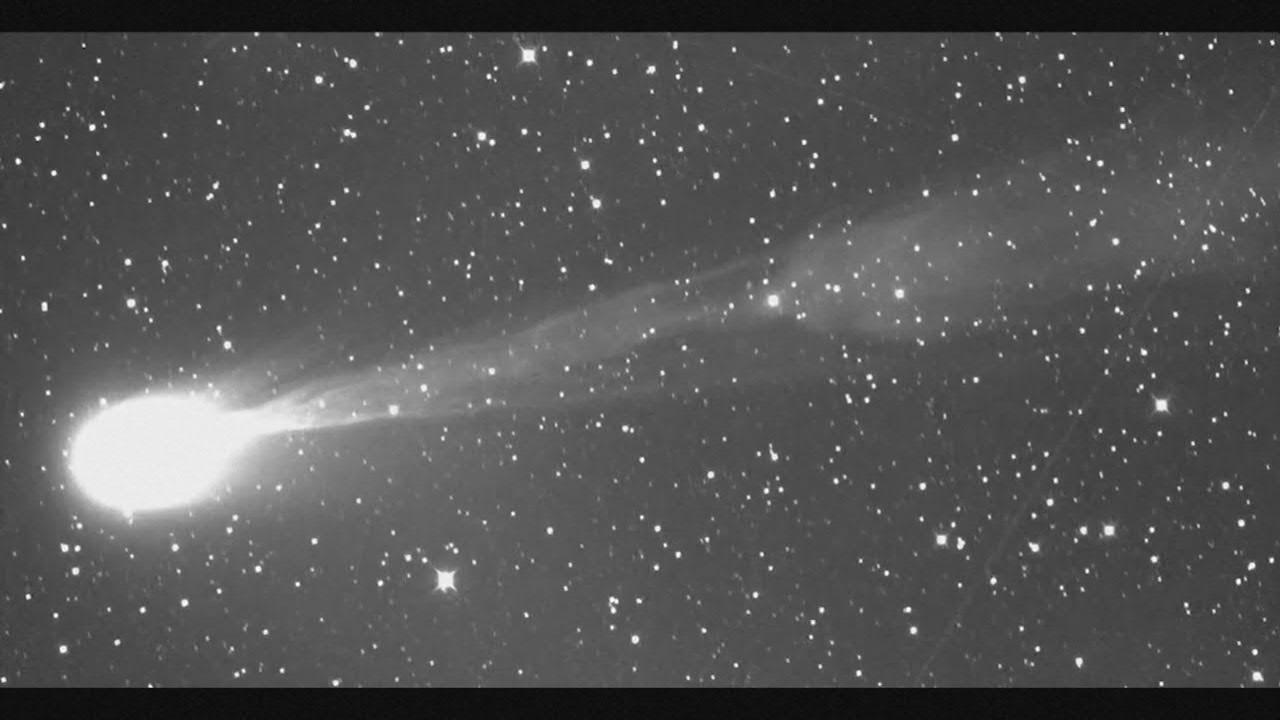
NASA’s comet missions play a crucial role in our understanding of the solar system. Comets, often referred to as ‘dirty snowballs’, are believed to be remnants from the early solar system, providing insights into its formation and evolution. The study of comets can help answer fundamental questions about the origin of water on Earth and the potential for life elsewhere in the universe.
Recent Events in Comet Exploration
In recent months, NASA has been actively engaged in various comet exploration missions. The agency’s DART (Double Asteroid Redirection Test) mission made headlines with its successful impact on the asteroid Dimorphos, but it also indirectly contributes to our understanding of comet behavior. Furthermore, the upcoming mission, Comet Interceptor, is set to launch in 2029, aiming to observe a comet that has never been visited before. This mission promises to study the unaltered compositions of icy bodies that enter the inner solar system for the first time.
Scientific Discoveries and Upcoming Missions
NASA’s previous comet missions, such as Rosetta and Philae, have provided invaluable data. The Rosetta orbiter’s detailed observations of Comet 67P/Churyumov-Gerasimenko revealed complex organic molecules, suggesting that comets may have played a role in delivering life-sustaining materials to Earth. Meanwhile, the European Space Agency’s (ESA) will collaborate with NASA on upcoming missions, leveraging shared knowledge for innovative explorations.
Conclusion: The Future of Comet Studies
Comet exploration remains a vibrant field of scientific inquiry, with numerous missions on the horizon. As technology advances, we can expect more detailed studies that could reshape our understanding of the cosmos. The data obtained from upcoming missions will likely provide further insights regarding the building blocks of planets and the potential for life beyond Earth. For readers fascinated by space and science, these developments in NASA’s comet exploration ensure that the excitement of uncovering the mysteries of our solar system is only just beginning.