Introduction
The discovery of interstellar objects has captivated astronomers since the first known interstellar comet, ‘Oumuamua’, passed through our solar system in 2017. When NASA announced the detection of interstellar comet 3I ATLAS in 2023, it reignited interest in our understanding of cosmic phenomena. As one of the rare few observed comets from another solar system, 3I ATLAS provides significant opportunities for research and insight into the formation of planetary systems beyond our own.
Details of 3I ATLAS
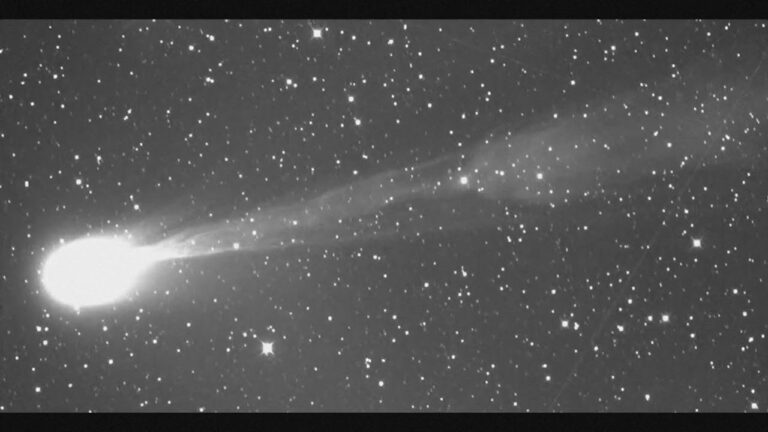
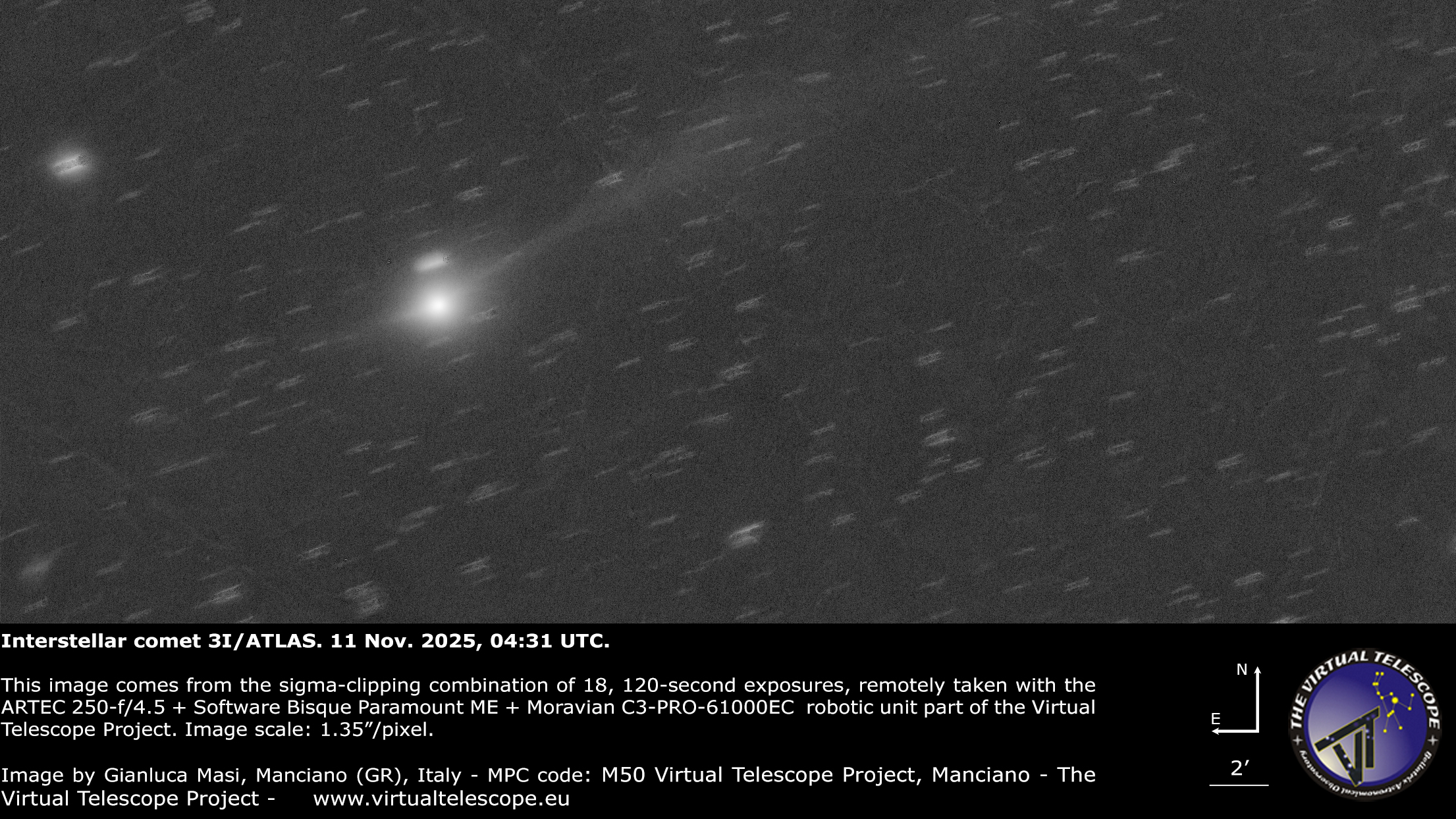
Interstellar comet 3I ATLAS was first spotted in March 2023 by the Asteroid Terrestrial-impact Last Alert System (ATLAS) survey in Hawaii. Estimated to be approximately 1.4 kilometers in diameter, it showcases several features typical of comets, including a bright coma and a long tail formed due to the sublimation of ice and other materials. But what differentiates 3I ATLAS from other comets is its trajectory: it is travelling at an extraordinary speed of about 73,000 km/h as it passes through our solar system.
NASA’s observations indicate that 3I ATLAS originated from outside the solar system and has taken millions of years to reach its current position, near the orbits of the inner planets. Scientists believe that the comet may contain primordial materials that offer clues about the early solar system’s chemistry. As it approaches the Sun, the comet is expected to peak in brightness in late November 2023, making it an exciting prospect for both amateur and professional astronomers alike.
Importance of the Findings
The study of 3I ATLAS has broader implications for our understanding of planetary formation. Comets are thought to be remnants from the early days of their solar systems, and interstellar comets, like 3I ATLAS, could contain materials that have not been altered since the formation of the stars they orbit. By studying these foreign objects, scientists can glean important data about the conditions that lead to the formation of planets, stars, and perhaps even life in other systems.
Conclusion
The interstellar comet 3I ATLAS presents a remarkable opportunity for astrophysics. As NASA and other observatories meticulously study its trajectory, composition, and behaviour, new revelations about interstellar travel and the characteristics of other solar systems will emerge. This research will not only advance our scientific knowledge but will also inspire the next generation of astronomers and researchers to explore the universe. As we await more updates on 3I ATLAS, the importance of monitoring such interstellar visitors remains clear: they open a window to the mysteries of our cosmos.