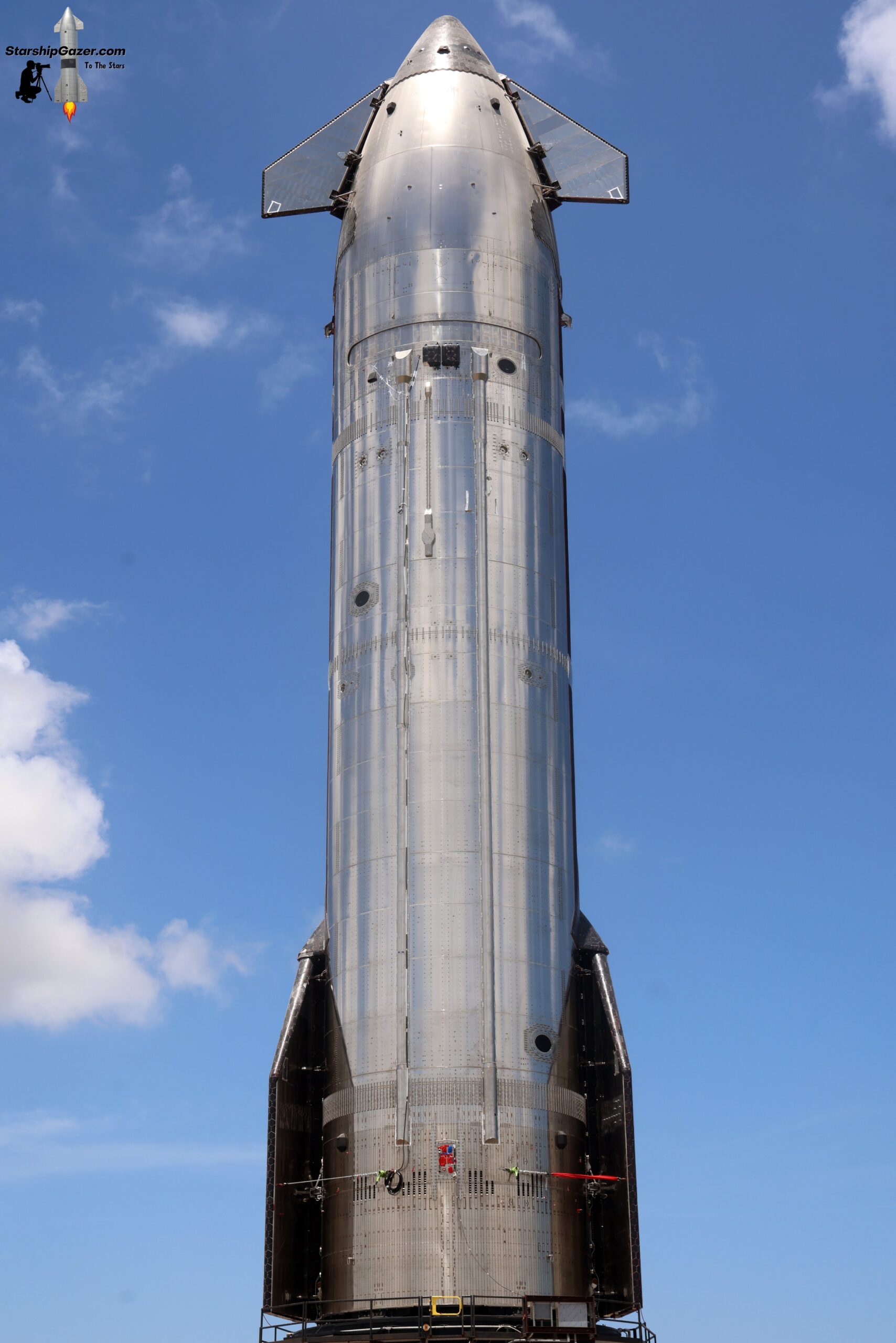
The Importance of the SpaceX Starship Launch
The SpaceX Starship launch is a significant milestone in the realm of space exploration. Intended to facilitate crewed missions to the Moon, Mars, and beyond, Starship represents a leap forward in rocket technology and ambitious plans for colonizing other planets. SpaceX’s developments in reusable rocket technology have already revolutionised satellite deployment, and the Starship project aims to further that legacy, promising a future where interplanetary travel becomes a reality.
Current Status of the Starship Program
As of October 2023, SpaceX has conducted multiple test launches and iterations of the Starship prototype. Following a successful orbital launch attempt in September 2023, Elon Musk’s company continues to refine its spacecraft. This latest launch saw the spacecraft reach new altitudes and velocities, gathering crucial data on its performance and trajectory.
In August 2023, the FAA (Federal Aviation Administration) granted SpaceX the necessary approvals to conduct its orbital flights, citing increased scrutiny around the environmental impacts due to previous launches. Despite these challenges, SpaceX remains on track to further develop its Starship for missions planned as early as 2024, which include possible human landings on the Moon as part of NASA’s Artemis program.
Conclusion and Future Implications
The ongoing advancements of the SpaceX Starship launch programme not only signify great strides in aerospace technology but also highlight a pivotal transition in the potential for human interplanetary habitation. With ambitions set high, SpaceX aims to send astronauts to Mars within the next decade. For space enthusiasts and the general public, the unfolding developments promise a future where reaching distant celestial bodies is increasingly feasible.
In conclusion, as SpaceX heads toward its goal of regular space travel to the Moon and beyond, the implications for science, culture, and international collaboration can hardly be overstated. The upcoming missions will not only inspire new generations of scientists and engineers but could also hold the keys to humanity’s long-term survival and adventure in the vastness of space.