Introduction
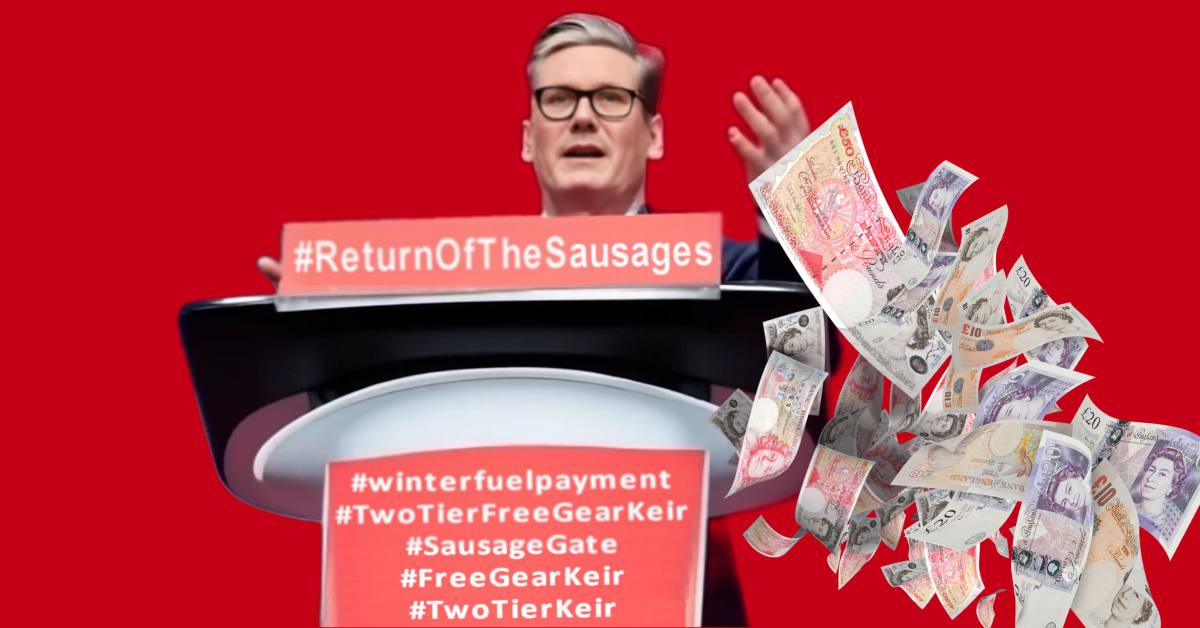
Kier Starmer, the current Leader of the Labour Party, has become a significant political figure in British politics. Elected in April 2020, Starmer has positioned himself as a voice of change, especially as the UK approaches a crucial general election in 2024. Understanding Starmer’s role is essential, not only for followers of British politics but for all citizens concerned about the future direction of the country.
Starmer’s Political Rise
Bristol-born Starmer began his career in law, notably serving as the Director of Public Prosecutions and Head of the Crown Prosecution Service from 2008 to 2013. His legal background has influenced his approach to politics, emphasising integrity and accountability. In a challenging political landscape, Starmer succeeded Jeremy Corbyn and quickly sought to shift the Labour Party’s image towards the centre, appealing to a broader voter base.
Major Policies and Initiatives
Since his appointment, Starmer has introduced several key policies focusing on economic recovery, social justice, and climate change. The party’s recent conference highlighted plans to address the cost-of-living crisis, improve public services, and tackle climate change aggressively. His economic strategy aims to move beyond austerity measures while facilitating progressive taxation to support vulnerable communities.
Starmer has also sought to reshape the party’s stance on various issues, including immigration and national security. By advocating for a balanced approach that prioritises both human rights and border control, Starmer aims to reassure traditional Labour voters while attracting new supporters. Furthermore, his response to the ongoing challenges posed by Brexit reflects a pragmatic approach intended to unify divided opinions within the country.
Future Prospects
Looking ahead, Starmer’s leadership will be put to the test as the 2024 general election approaches. Polling suggests increased support for Labour under his leadership, with many voters expressing a desire for change from the current Conservative government. Starmer’s ability to connect with the electorate and articulate a clear vision for the future will be paramount to his success.
Conclusion
As Kier Starmer continues to navigate the complex political landscape, his impact on the Labour Party and the UK’s political arena remains significant. His focus on inclusivity, economic stability, and climate action resonates with many voters. The upcoming election will be a critical moment for Starmer to demonstrate his leadership capabilities and potentially reshape the UK’s future direction.