Introduction
The Guardian University Guide is a vital resource for prospective students in the UK, ranking universities based on a variety of criteria including student satisfaction, teaching quality, and graduation rates. As students make crucial decisions about their higher education journeys, the guide provides a comprehensive look at what each institution offers, making it a relevant and important tool in the academic landscape.
Key Rankings and Changes
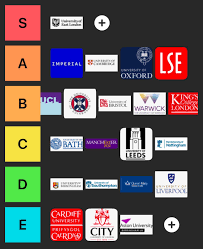
In the latest edition of the Guardian University Guide, several universities have seen significant movements in their rankings. The University of Oxford maintains its prestigious top position, followed closely by the University of Cambridge. However, notable risers include the University of St Andrews, moving up to third place, highlighting its growing reputation especially in the arts and sciences.
The rankings are compiled using data from the Higher Education Statistics Agency (HESA) and various surveys, focusing on metrics like student-to-staff ratios and student feedback. More than 70,000 students responded to recent surveys, providing essential insights into their experiences, which play a key role in determining the rankings.
Focus on Student Experience
What sets the Guardian University Guide apart from others is its strong focus on student experience. This year’s guide incorporates even more qualitative data, capturing the voices of students about their teaching quality and overall university life. The results have led to calls from some universities to improve their engagement strategies, as student feedback has proven influential in the rankings.
Moreover, institutions with higher satisfaction regarding teaching and support services tend to rank better, which aligns with current trends in higher education where student welfare and support are paramount. The findings stress the importance of universities investing in their teaching staff and facilities to create a more conducive learning environment.
Conclusion
The Guardian University Guide 2024 serves as an essential tool for not just students, but also academic institutions looking to understand their standing in the competitive landscape of higher education. As prospective students evaluate their options, the insights provided by this guide offer a detailed overview of where they might best fit based on personal preferences, study interests, and desired environments.
In a continuously evolving higher education market, the relevance of such comprehensive resources cannot be overstated. Observing trends and changes in the rankings can also provide forecasts about which universities are likely to attract more students in the coming years. For readers, staying informed about these developments can enhance their understanding of the ever-changing dynamics of UK universities.