Introduction to FPL Price Changes
The Fantasy Premier League (FPL) is a popular online game among football enthusiasts, allowing millions of fans to create their own teams and compete each week based on real match performances. One of the critical elements affecting team dynamics is the fluctuating prices of players, commonly referred to as FPL price changes. Understanding these price changes is essential for players aiming to maximise their points and budget through strategic purchasing and selling decisions.
Current Trends in FPL Price Changes
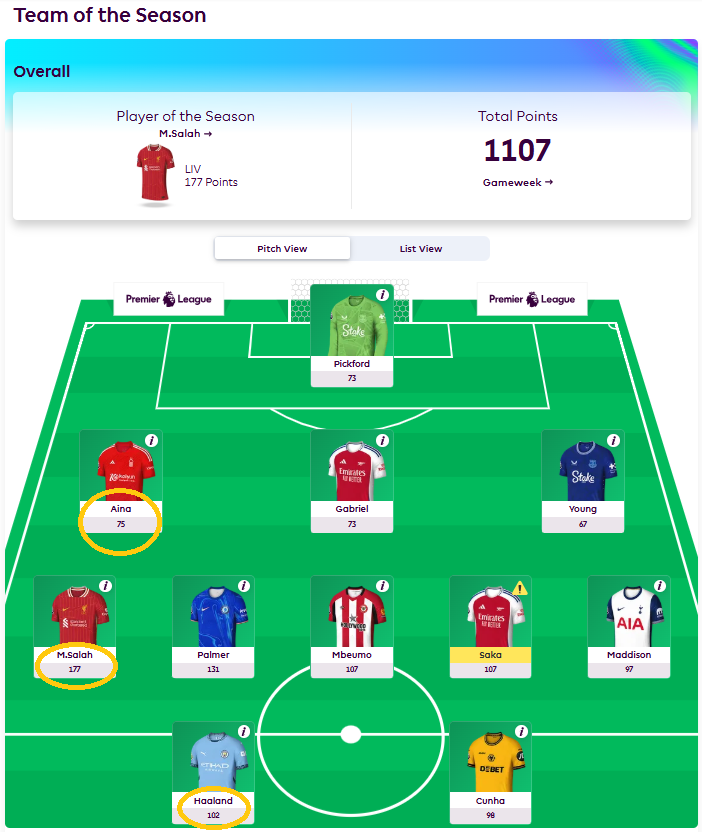
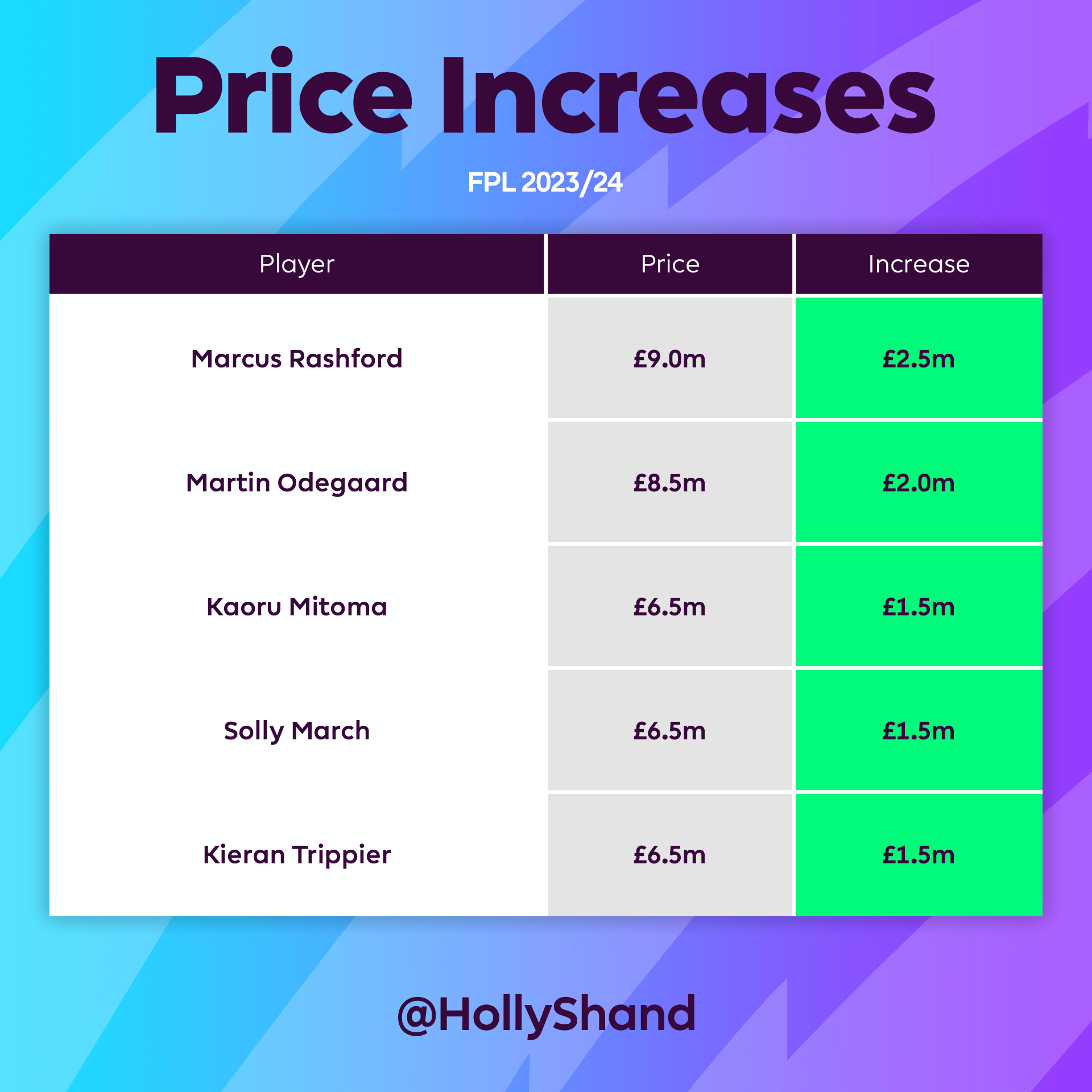
As of the 2023/2024 season, FPL price changes are more dynamic than ever, with algorithms reacting to player performances, transfer market interest, and overall popularity among FPL managers. Players who score high in matches, like Erling Haaland and Mohamed Salah, often see significant price increases, reflecting their contribution to team success. For instance, Haaland’s recent performances have seen his price rise by £0.5m in just three game weeks, whilst newer players, who emerge as standout performers, can also experience rapid increases as the demand for them surges.
Conversely, underperforming players can see their values decrease, often costing FPL managers substantial points when they have heavily invested in these players. For example, if a player is consistently delivering low performances, their price might fall by £0.2m after a few weeks, prompting managers to reassess their teams and strategies.
Implications for FPL Managers
Understanding FPL price changes is vital for crafting a successful team. Managers must keep a close eye on the transfer market, utilizing various online tools and resources to predict potential price changes based on player performance trends. It’s crucial to balance between buying rising stars while being wary of accumulating too many underperformers, allowing for a robust squad that can achieve consistent weekly scores.
Additionally, price changes can significantly influence transfer strategy. Managers might choose to sell a rising player at the peak of their price before potential injury or form dip, capitalising on the profit to reinvest into other positions where performance might need bolstering or upgrades.
Conclusion and Predictions
Ultimately, staying informed about FPL price changes can offer a competitive advantage in the ever-evolving landscape of the Fantasy Premier League. As the season progresses, players need to remain vigilant about their team’s economic dynamics—often a game of patience and timing. With careful consideration and strategic insight, FPL managers can master the art of price changes, potentially leading to greater success in the league. As the season continues, we can expect these price changes to become even more pivotal as both player form and FPL manager strategies develop.