Introduction
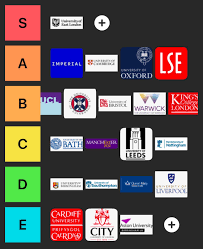
University rankings have become an essential tool for prospective students, academic professionals, and institutions alike. They provide an evaluative snapshot of educational quality worldwide and influence decisions on university choices, funding, and international collaborations. With numerous rankings available, understanding their methodology and significance is crucial in today’s global education landscape.
The Landscape of University Rankings
Global university rankings such as QS World University Rankings, Times Higher Education World University Rankings, and Academic Ranking of World Universities (ARWU) are among the most widely recognised. These rankings assess institutions based on various criteria, including academic reputation, research output, faculty quality, and student satisfaction. According to the QS ranking released for 2023, 1,400 universities were assessed, highlighting the increasing competition and emphasis on academic excellence.
Recent Developments
In recent months, there has been growing scrutiny over the weightage of specific indicators used in university rankings. For instance, the ongoing debate on the inclusion of research output over teaching quality has prompted some institutions to reevaluate their strategies. Universities, especially in emerging economies, are striving to improve their rankings by enhancing faculty expertise and investing in research infrastructure. For example, several universities across Asia have reported significant improvements in their rankings, attributed to increased investment in research and collaboration with industries.
The Impact of Rankings on Higher Education
University rankings significantly influence student choices and institutional reputations. Students often use these rankings as a primary deciding factor when selecting where to study. A high-ranking institution can attract more international students, leading to increased revenue and enhanced global visibility. Additionally, rankings affect funding opportunities, as governments and private investors often allocate resources based on an institution’s standing.
Conclusion
As the global education environment continues to evolve, university rankings will remain a critical factor influencing education policy and institutional strategies. While these rankings serve as valuable resources, it is essential for students and stakeholders to consider the broader context surrounding them. Future innovations in assessment methodologies may further shape how universities are perceived and evaluated. As education stakeholders continue to navigate these changes, understanding the significance of university rankings will empower them to make informed decisions.