Introduction
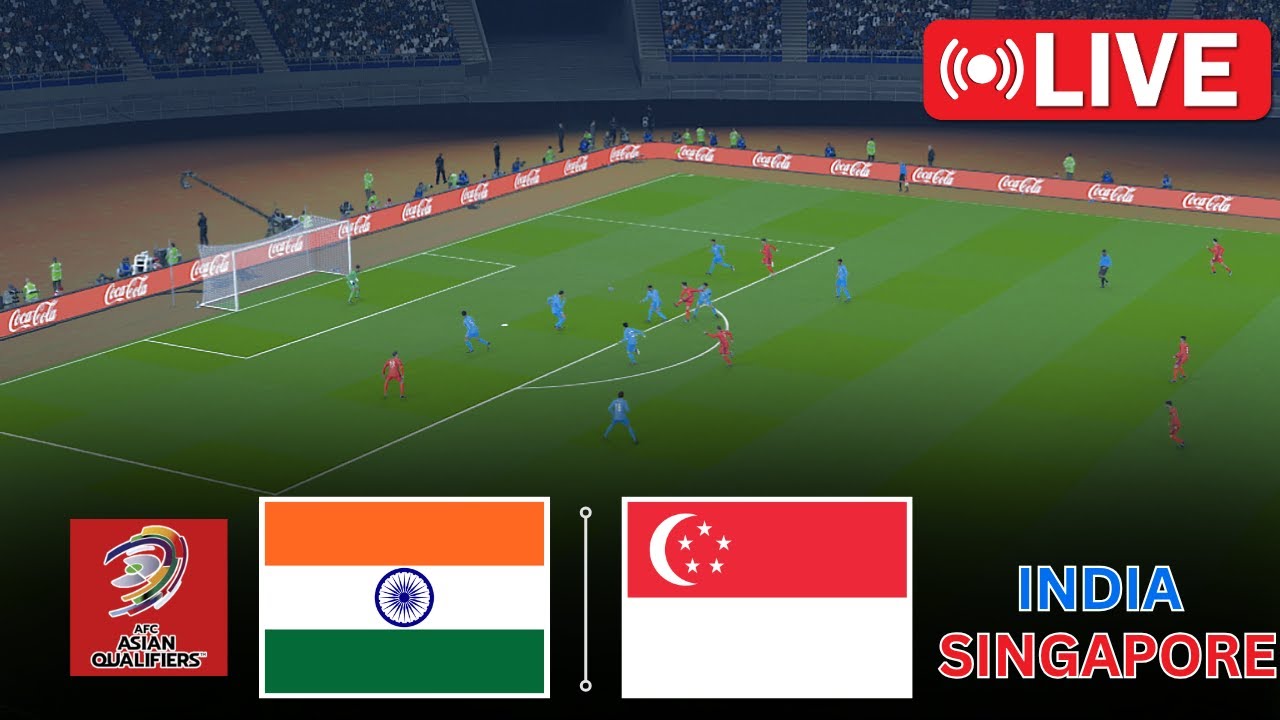
The comparison between India and Singapore has garnered increasing attention due to the diverse economic models, cultural backgrounds, and developmental trajectories that these two nations represent. India, a vast country with a population exceeding 1.4 billion, and Singapore, a tiny city-state with a unique strategic position in Southeast Asia, showcase the variations in governance, economic performance, and social systems. Understanding these differences can provide valuable insight for policymakers, investors, and students alike.
Economic Landscape
India is classified as a developing economy, with a GDP of approximately $3.5 trillion, showcasing significant growth potential. In contrast, Singapore is a high-income economy, recognised globally for its robust economic framework with a GDP of around $400 billion. India’s economy is marked by a blend of traditional agriculture and rapidly growing industries, while Singapore depends heavily on finance, technology, and trade.
As of 2023, Singapore consistently ranks in the top tier of the World Bank’s Ease of Doing Business index, thanks to its transparent regulations and well-established financial systems. Meanwhile, India has made significant reforms aimed at improving its business climate, notable in initiatives such as ‘Make in India’ aimed at boosting manufacturing.
Cultural Context
Both nations are rich in culture, yet their historical trajectories and social structures are distinctly different. India’s diversity is reflected in its multitude of languages, religions, and traditions, with a heritage that spans thousands of years. In contrast, Singapore, while multicultural, has a more homogenised social fabric where Chinese, Malay, and Indian cultures coexist with a significant emphasis on national identity that emerged post-independence.
Education Systems
Education plays a crucial role in both countries, though they operate under different paradigms. Singapore’s education system is often lauded for its rigorous standards and international ranking, particularly in mathematics and science disciplines. In contrast, India’s education system is diverse, with both public and private institutions catering to various segments of society. While India boasts a high literacy rate, challenges such as access and quality remain a concern.
Conclusion
The comparison of India and Singapore sheds light on contrasting paths to development, economic structure, and cultural identity. As India continues to reform and strengthen its economy, and Singapore maintains its position as a global financial hub, the dialogue between the two nations is poised to grow. For readers, understanding these differences is pertinent, especially in an era of globalisation where bilateral relations can foster opportunities for trade, education, and cultural exchange. The evolution of both countries will be critical to watch as they navigate the complexities of the global stage.