Introduction
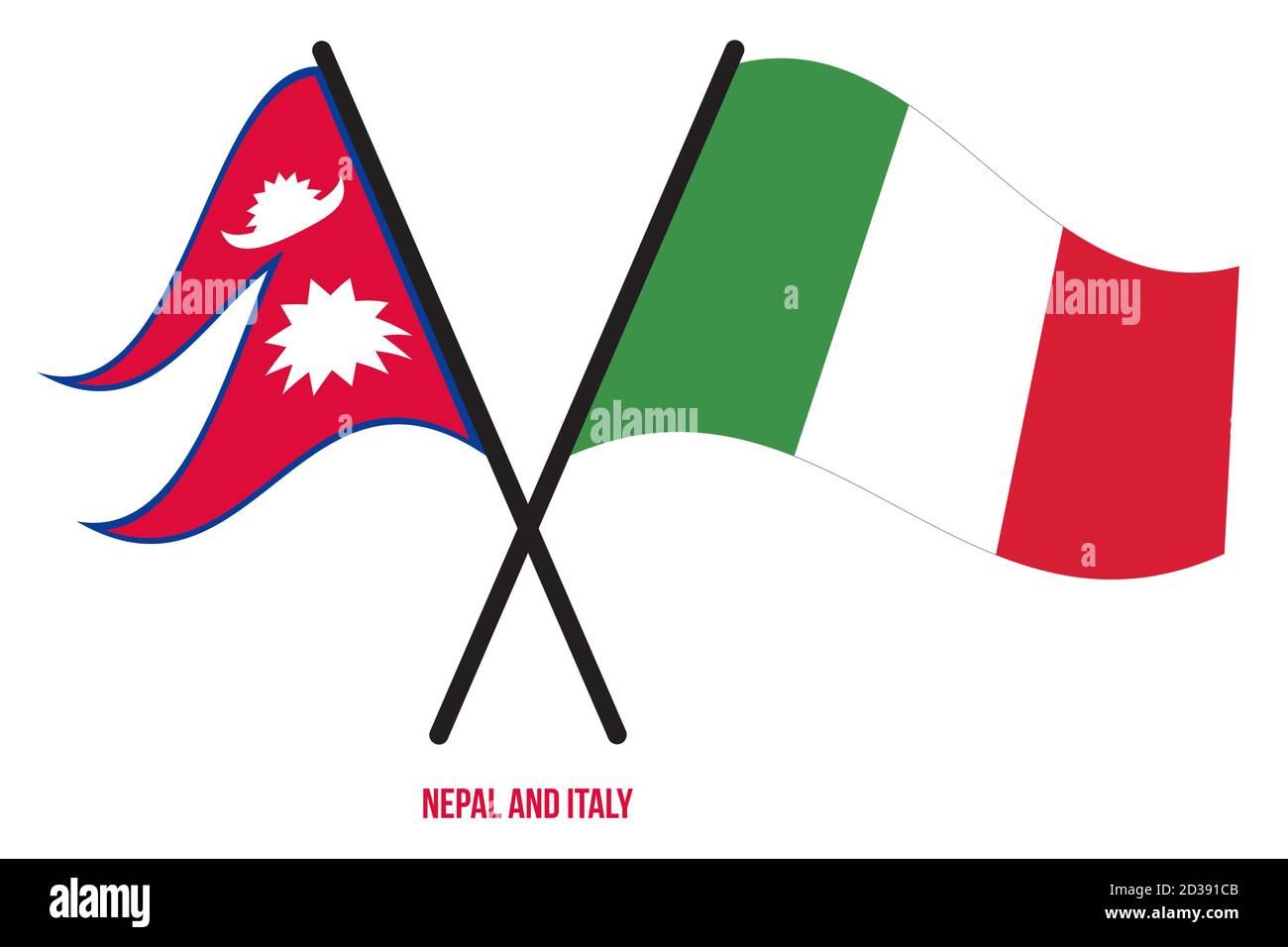
The nations of Nepal and Italy, though vastly different in geography and culture, each hold significant importance on the global stage. Nepal, nestled in the Himalayas, is renowned for its stunning landscapes, rich traditions, and as the birthplace of the Buddha. Italy, on the other hand, is celebrated for its historical heritage, art, and gastronomical contributions to the world. This article aims to provide a comprehensive comparison between these two fascinating countries, highlighting their unique attributes and interconnectedness in the global tapestry.
Geographical Attributes
Nepal is primarily defined by its mountainous terrain, housing eight of the fourteen highest peaks in the world, including Mount Everest. This landlocked country enjoys a diverse climate due to its topography, ranging from tropical lowlands to arctic conditions in the Himalayas. Conversely, Italy is a peninsula situated in Southern Europe, famous for its extensive coastline and temperate climate, which significantly influences its agricultural practices and tourism.
Cultural Significance
Culturally, Nepal is a melting pot of traditions stemming from its multiple ethnic groups, with festivals such as Dashain and Tihar playing pivotal roles in the lives of its citizens. The country prides itself on its deeply rooted spiritual practices and vibrant arts scene. Italy boasts a long-standing history of contributions to art, architecture, and science, with landmarks like the Colosseum and the Leaning Tower of Pisa drawing millions of tourists annually. The Italian Renaissance marked a significant evolution in art and culture, influencing many aspects of modern civilization.
Political Landscape
Nepal operates as a federal democratic republic, with its political landscape shaped by historical upheavals and ongoing challenges related to governance and development. In contrast, Italy functions as a parliamentary republic, often embroiled in its political intricacies, particularly noted for its coalition governments and recent political shifts.
Economic Overview
The economy of Nepal is predominantly agrarian, with agriculture employing a significant portion of the population. Tourism also plays a vital role, driven by the allure of trekking and mountaineering. Italy possesses one of the world’s largest economies, characterised by a diverse industrial base that includes fashion, automotive, and machinery. Its established exports and tourism are crucial for its economic health.
Conclusion
In conclusion, while Nepal and Italy may differ significantly in geography, culture, and economy, both nations present rich, compelling narratives that showcase human resilience and creativity. Understanding these differences not only fosters a greater appreciation of global diversity but also highlights the interconnected nature of international culture and commerce. As the world continues to evolve, the distinct characteristics of both Nepal and Italy will remain integral to their identity and influence.