Introduction
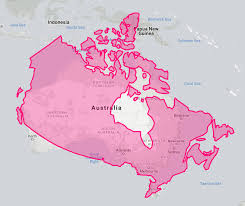
As international relations grow and globalisation increases, the comparison between countries like Canada and Australia becomes vital. Both nations are renowned for their high quality of life, stunning landscapes, and rich cultures. This comparative analysis provides insight into the similarities and distinctions between Canada and Australia, making it relevant for those interested in relocation, travel, or investment opportunities.
Cultural Landscape
Canada and Australia are both multicultural societies, attracting immigrants from around the world. Canada prides itself on its official bilingualism in English and French, reflecting its history and diverse population. Major cities such as Toronto and Montreal showcase a blend of cultural festivals and cuisines. In contrast, Australia celebrates its Indigenous heritage alongside its British colonial roots. Cities like Sydney and Melbourne host vibrant arts scenes and diverse communities, firmly rooting multiculturalism within their national identities.
Economic Overview
Economically, both countries hold significant positions on the global stage. According to the World Bank, as of 2023, Canada’s GDP is around $2.14 trillion, while Australia’s stands at approximately $1.48 trillion. Canada has a strong focus on natural resources, with sectors such as oil, gas, and timber as major contributors. Australia, although also rich in resources, excels in service industries, technology, and agriculture.
Education and Healthcare Systems
Education and healthcare are pivotal in determining the livability of a country. Canada’s education system is ranked among the best globally, featuring public education from kindergarten to post-secondary without tuition fees for residents. In healthcare, Canada operates under a publicly funded model, known as Medicare, offering universal coverage. Similarly, Australia’s Medicare system provides comprehensive healthcare services, although it includes more private sector participation. Both countries, therefore, uphold high educational and health standards, contributing to their residents’ well-being.
Environmental Considerations
While both Canada and Australia boast remarkable natural beauty, they face unique environmental challenges. Canada is known for its vast forests, prairies, and arctic regions but is increasingly grappling with climate change impacts and biodiversity loss. Australia, with its distinct ecosystems, is notorious for its bushfires and the impact of climate change on the Great Barrier Reef. Both nations have committed to sustainable practices, aligning policies to mitigate climate change and preserve their unique environments.
Conclusion
In conclusion, while Canada and Australia share numerous similarities, such as their high quality of life and strong economies, they also possess distinct cultural, economic, and environmental features. Understanding these differences is crucial for individuals and businesses looking to engage with either country. As global dynamics shift, anticipation for how both nations will adapt to future challenges becomes increasingly significant for their respective populations and international partners.