Introduction: Why Taxing Your Car is Essential
Taxing your car is a legal requirement in the United Kingdom that ensures your vehicle is allowed on the road. Failure to tax your car can result in heavy penalties, including fines and potential legal action. In 2023, the UK government has made several, albeit subtle, changes to the vehicle excise duty (VED) rates, reflecting the ongoing environmental and fiscal adjustments. Understanding how to tax your car correctly is vital for every driver.
The Taxing Process Explained
In the UK, the process of taxing your car can be completed online, via post or in person at designated Post Office locations. Here are the steps you need to follow:
- Gather Required Information: Before starting the taxing process, ensure you have your vehicle registration number, your current MOT certificate, and insurance details ready.
- Online Taxing: Head to the official GOV.UK website, where you can complete the task in just a few minutes. You will need to input the information you gathered earlier and make your payment via debit or credit card.
- Taxing by Post: Alternatively, you can fill out the V11 reminder form received earlier, or download it online. Send this form along with a cheque payment to your local DVLA office.
- In-Person Taxing: For those who prefer face-to-face interactions, visit a local Post Office that deals with vehicle tax. Bring all the necessary paperwork and make your payment to complete the process.
Deadlines and Costs
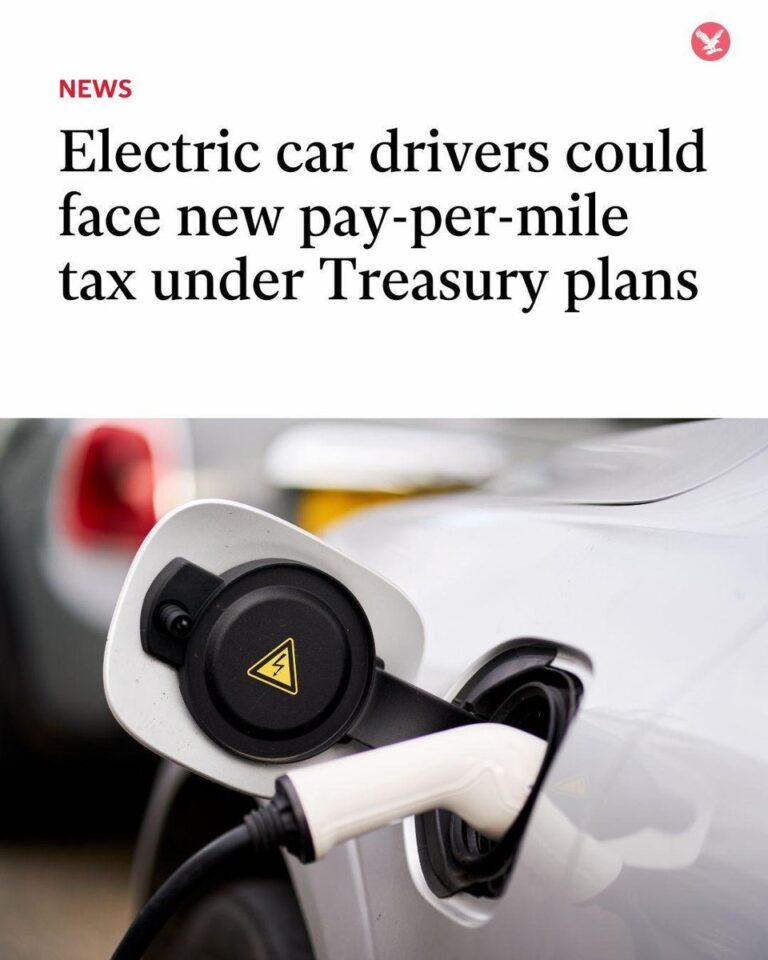
As of 2023, drivers need to renew their vehicle tax every year unless they have a valid exemption. The cost of taxing varies based on the car’s CO2 emissions and whether it’s registered in the category of electric or hybrid vehicles. Electric cars, for instance, benefit from reduced rates aimed at promoting environmentally friendly vehicles.
Importance of Keeping Your Car Taxed
It is essential to keep your vehicle taxed not only for legal reasons but also to avoid fines and ensure road safety. The DVLA regularly monitors vehicles on the UK roads and uses Automatic Number Plate Recognition (ANPR) technology to check if cars are taxed. Driving an untaxed vehicle can result in an £80 fine.
Conclusion: Stay Informed and Compliant
In conclusion, taxing your car is a straightforward yet essential process that requires timely attention. Make sure to remain informed about the changes in vehicle excise duty, deadlines, and methods of payment. By keeping your car properly taxed, you ensure that you stay compliant with UK road laws while contributing to the overall safety and regulation of vehicle operation on the roads.