Introduction
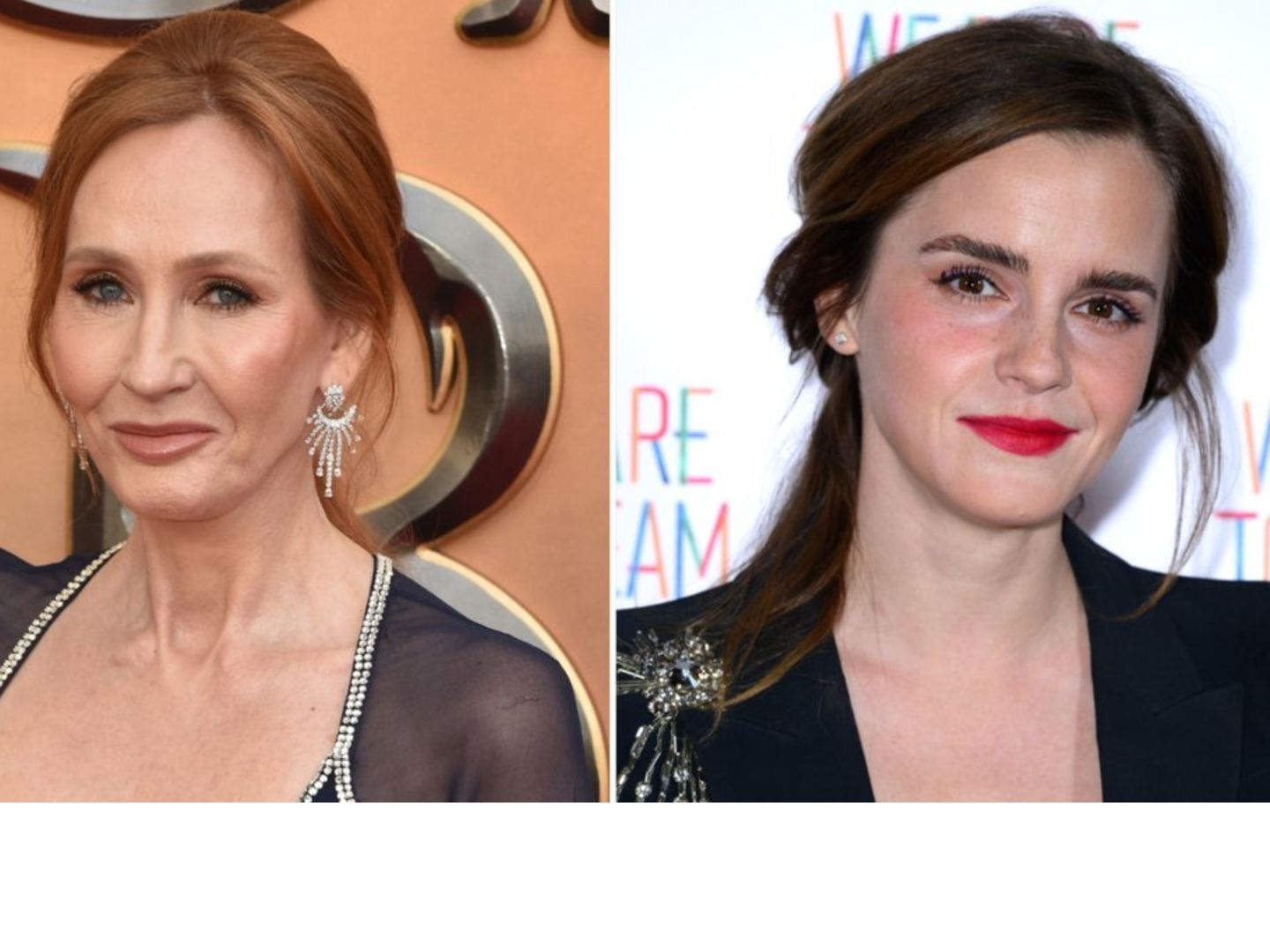
The relationship between author JK Rowling and actress Emma Watson has garnered significant attention over the years, especially in the wake of Rowling’s controversial statements on various social issues. As fans of the Harry Potter series have noted, the dynamic between the two figures extends beyond their collaborative work in the beloved film franchise. Understanding this relationship is crucial as it reflects broader themes of morality, activism, and public perception in the entertainment industry.
The Background
Emma Watson rose to prominence as Hermione Granger, the intelligent and resourceful friend of Harry Potter, in the film adaptations of Rowling’s acclaimed books. Watson, an outspoken advocate for women’s rights and gender equality, has often credited Rowling for creating strong female characters that resonate with her own beliefs. Their initial relationship was marked by mutual respect and admiration, with Watson often lauding Rowling’s work and the impact it had on her life.
Shifts in Public Perception
However, the relationship has faced scrutiny in light of Rowling’s comments regarding gender identity and issues affecting the transgender community. As a known advocate for women’s rights, Emma Watson has publicly disagreed with some of Rowling’s views, advocating for inclusiveness and the rights of transgender individuals. In June 2020, Watson was among several celebrities who expressed their support for the trans community in response to Rowling’s controversial posts on Twitter.
Current Developments
With the ongoing debates surrounding gender and feminism, both Rowling and Watson have found themselves in the public eye for markedly different reasons. Rowling’s comments have sparked backlash, leading to discussions about the responsibility of creators in the entertainment industry. Conversely, Watson has continued to promote her activism and push for progressive changes, sometimes inadvertently highlighting the rift between her views and those of Rowling.
Conclusion
The relationship between JK Rowling and Emma Watson exemplifies the complexities of personal and professional dynamics in contemporary society. As both women navigate their own paths in the public sphere, their differing opinions on critical social issues serve as a microcosm of a larger conversation. For readers and fans, understanding this relationship not only provides insight into the world of Harry Potter but also reflects the evolving discussions surrounding gender, identity, and responsibility in creative expressions. Moving forward, the interactions between creators and their casts may well influence how narratives are shaped in the future, potentially paving the way for more inclusive storytelling.