Introduction
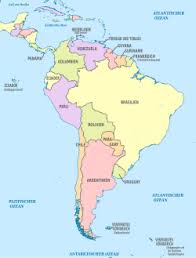
South America is a continent renowned for its rich cultural heritage, diverse ecosystems, and breathtaking landscapes. Spanning over 17 million square kilometres, it is home to a variety of countries, each with its own unique languages, traditions, and histories. With ongoing developments in tourism and international relations, understanding South America has never been more relevant for globetrotters and scholars alike.
The Diversity of Cultures
South America boasts a vibrant cultural tapestry, influenced by indigenous populations, colonial history, and immigration. Countries such as Brazil, Argentina, and Peru showcase a blend of native and European traditions. For instance, Brazil’s Carnival brings together African, indigenous, and Portuguese cultural elements in a vibrant display of music and dance.
Regional festivals like Peru’s Inti Raymi or Argentina’s Tango Festivals draw tourists eager to experience local heritage firsthand. Languages such as Spanish, Portuguese, and numerous indigenous tongues highlight the continent’s rich linguistic diversity.
Geographical Wonders
The geographical features of South America are among the most stunning in the world. From the towering Andes mountains, which run along the western edge, to the vast Amazon rainforest—known as the lungs of the planet—South America is a treasure trove of natural beauty. The Amazon River, one of the longest rivers in the world, flows through several countries, sustaining millions of species and indigenous tribes.
Ecotourism is on the rise, with travelers seeking out the unique biodiversity of places like the Galápagos Islands in Ecuador, where visitors can observe species found nowhere else on Earth. The continent is also home to striking landmarks like the Atacama Desert in Chile, the driest non-polar desert in the world, and the magnificent Iguazu Falls, a UNESCO World Heritage site.
Current Events and Future Outlook
In recent years, South America has faced various challenges, including political unrest, economic fluctuations, and environmental issues such as deforestation within the Amazon rainforest. However, efforts are underway to tackle these challenges, with international agreements and local initiatives aimed at sustainability and preserving cultural heritage.
Furthermore, as health restrictions ease globally, the continent is expecting a surge in tourism, which will be vital for its economies. Countries like Colombia and Chile are investing in infrastructure and promoting their attractions to make travel more accessible and appealing.
Conclusion
South America is a continent rich in culture and natural beauty, offering endless opportunities for exploration and discovery. Understanding its diverse heritage and the current dynamics shaping the region provides insight into its increasing significance on the global stage. With a promising future ahead, South America invites adventurers, scholars, and influencers to engage with its vibrant communities and witness its stunning landscapes.