The Importance of the Darien Gap
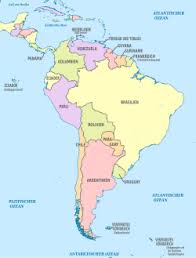
The Darien Gap, a dense jungle region located between Colombia and Panama, is often recognized as one of the most perilous areas for those attempting to traverse from South America to Central America. This 100-mile stretch of impassable territory poses significant risks and challenges, making it an important focal point in discussions regarding migration routes, environmental conservation, and regional security.
Current Situation and Migration Trends
As global migration continues to rise due to factors like economic hardship, violence, and climate change, the Darien Gap has become a critical juncture for migrants seeking a better life. According to the International Organization for Migration (IOM), thousands of individuals from Venezuelan, Haitian, and Central American origins attempt to navigate this treacherous passage each year.
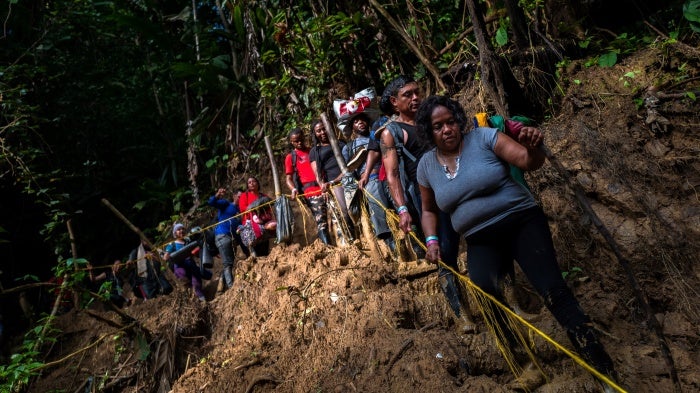
However, the journey is fraught with danger; reports indicate a rise in human trafficking, violence, and medical emergencies along the route. In 2022 alone, over 250,000 migrants crossed the Darien Gap, marking a significant increase from the previous years. Many travellers have no choice but to rely on smugglers for guidance, as the challenging terrain includes steep mountains, rivers, and dangerous wildlife.
Environmental Concerns
The ecological significance of the Darien Gap cannot be overlooked. It is home to diverse wildlife and indigenous communities, whose inhabitants traditionally rely on the land’s resources for survival. However, the increasing foot traffic poses a threat to this unique ecosystem. Deforestation and habitat destruction have been noted due to the influx of migrants, leading to calls for improved management strategies to safeguard the environment while addressing the humanitarian crisis.
Future Outlook and Significance
Efforts are underway by various governments and NGOs to find sustainable solutions to the challenges posed by the Darien Gap. Collaborative initiatives, such as enhancing border security and providing resources for migrants, are being discussed. However, tackling the root causes of migration—such as poverty and violence—remains pivotal for long-term progress.
In conclusion, the Darien Gap stands as a symbol of the complex interplay between human movement, environmental conservation, and regional stability. As the situation evolves, heightened awareness and coordinated efforts will be crucial in addressing both the humanitarian and ecological challenges of this critical nexus.