Introduction
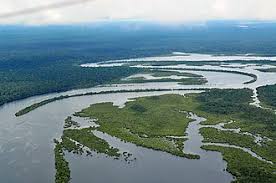
The Amazon River, the second longest river in the world, plays a crucial role in the health of the planet’s ecosystems and the livelihoods of millions. Flowing through South America, primarily in Brazil, it is renowned for its vast rainforest and diverse wildlife. Understanding the Amazon River’s importance is essential not just for local communities but also for global environmental health.
The River’s Significance
The Amazon River stretches approximately 4,345 miles, originating in the Andes mountains of Peru and flowing into the Atlantic Ocean in Brazil. It is home to over 2,200 species of fish, a figure that underscores its significance as a biodiversity hotspot. The river basin also supports countless plant species, many of which are yet to be studied, showcasing the Amazon rainforest’s role as a critical carbon capturing region.
Economically, the Amazon River is a lifeline for transportation and trade for indigenous populations and various industries. It provides fish, a staple food source, and wood products that are essential to local economies. In recent years, ecotourism has surged along the Amazon, with visitors drawn to areas like Manaus, Brazil, and Iquitos, Peru, to explore its breathtaking landscapes and rich culture.
Current Challenges
Despite its significance, the Amazon River faces numerous threats, including deforestation, pollution, and climate change. Between 2000 and 2018, it is estimated that Brazil lost about 20% of its forest cover, primarily due to agricultural expansion and logging. These activities not only threaten the river’s biodiversity but also contribute to increased carbon emissions.
The Brazilian government is currently implementing policies aimed at reducing deforestation and preserving the rainforest, but enforcement has been inconsistent. Environmental organisations continue to advocate for stronger protections and sustainable practices to safeguard this invaluable resource. The necessity for global cooperation on climate change is essential; the Amazon serves as a vital carbon sink and its destruction poses a significant threat to global warming.
Conclusion
The Amazon River is more than just a geographical feature; it is a lifeblood for millions of people, an ecological treasure trove, and a fundamental element of the Earth’s climate system. Preserving the health of the Amazon River is crucial not only for those who live within its basin but for the entire planet as well. The urgency of the situation calls for collective action, both locally and globally, to ensure that future generations benefit from this remarkable natural wonder.



