Introduction
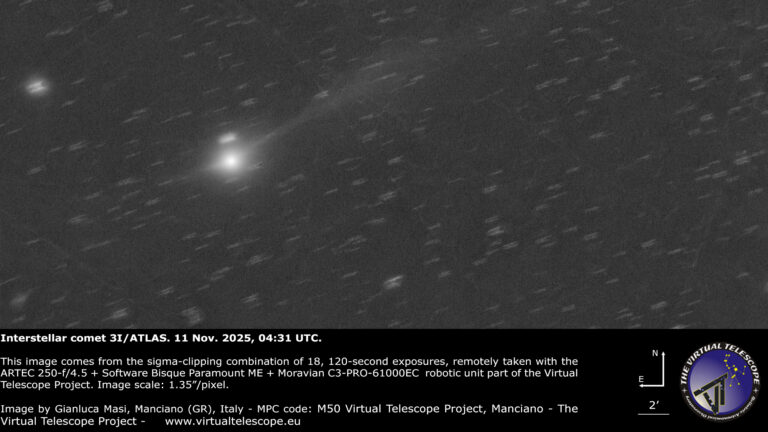
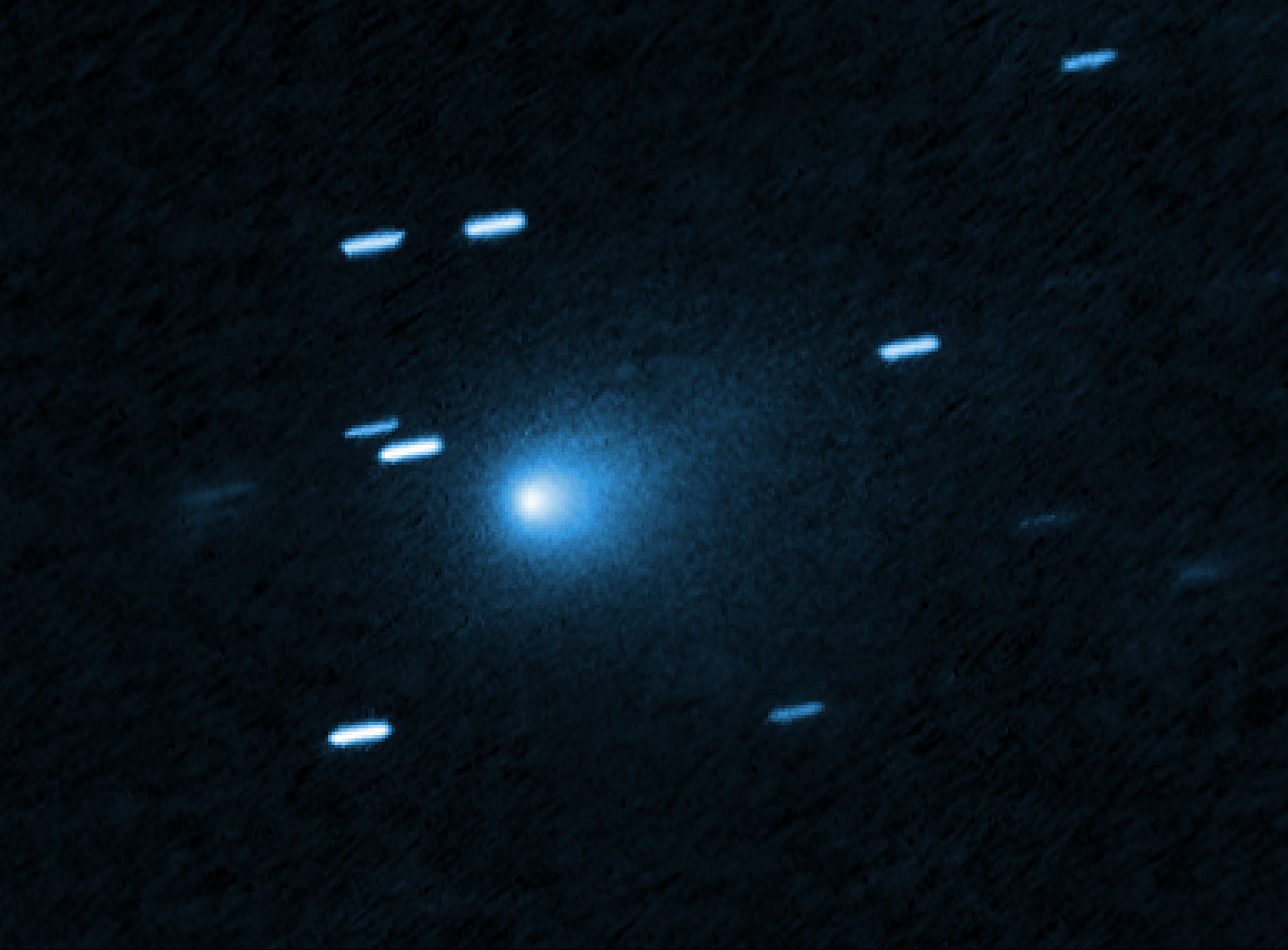
The recent flyby of Comet 3I ATLAS has captured global attention as NASA and astronomers worldwide continue to investigate its characteristics and trajectory. This exciting astronomical event is not just another celestial body passing through our solar system; it provides valuable insights into the composition and behaviour of comets, enhancing our understanding of these ancient remnants from the early solar system.
Details of the Comet 3I ATLAS
Discovered in 2019 by the Asteroid Terrestrial-impact Last Alert System (ATLAS), Comet 3I was initially classified as an asteroid before its true nature was revealed. As it approached the inner solar system, scientists noted its rapid increase in brightness, indicating the release of gas and dust from its nucleus—typical behaviour for comets. In late 2023, as Comet 3I ATLAS made its closest approach to Earth, NASA’s space telescopes and observatories mobilised to observe and study the comet, shedding light on its dimensions estimated to be around 1.5 kilometres across.
The comet follows an intriguing hyperbolic orbit, suggesting it originated from the Oort Cloud or even beyond, perhaps from another star system entirely. During its passage, it reached an impressive magnitude of -5, making it visible even to the naked eye under the right conditions.
Scientific Importance
The study of Comet 3I ATLAS is significant for several reasons. Firstly, comets are considered time capsules of the solar system’s early history, containing primordial materials that can offer clues about the formation of planets and the origins of water and organic compounds on Earth.
Secondly, the accessibility of this comet allows for close observations of its physical characteristics and chemical makeup. By analysing the comet’s coma (the nebulous envelope around the nucleus) and tail, scientists aim to identify the types of ices and gases being released. These findings could enhance our understanding of the conditions present in the early solar system and potentially the pathways for life’s building blocks.
Conclusion
The flyby of Comet 3I ATLAS is a thrilling chapter in contemporary astronomy, opening doors to new research avenues. As NASA scientists conclude their data collection and analysis, the insights gathered from this comet are expected to provide broader implications for planetary science.
While comets like 3I ATLAS may not return for centuries, they remind us of the dynamic and ever-evolving nature of our solar system. For aspiring astronomers and the public alike, the excitement surrounding this phenomenon underscores the collective hope of future discoveries in our quest to understand the universe.