Introduction to Bulgaria
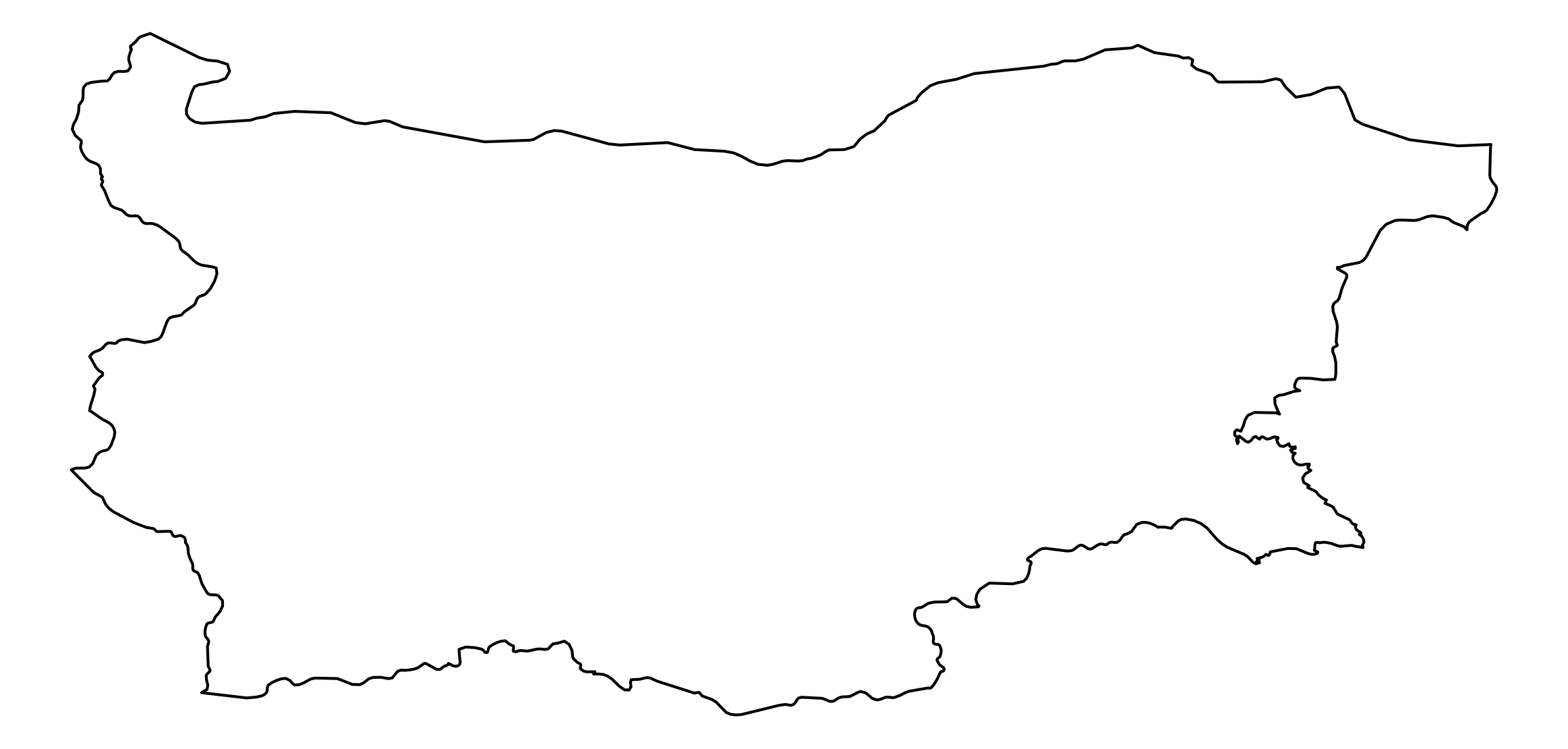
Bulgaria, a country located at the crossroads of Europe and Asia, has recently gained popularity as a travel destination. Its rich history, diverse landscapes, and cultural heritage make it a compelling place for tourists and expatriates alike. With its beautiful mountains, Black Sea coast, and historical cities, Bulgaria offers a unique blend of experiences that are drawing attention worldwide.
Historical Significance
Bulgaria is one of the oldest countries in Europe, with a history dating back over 1,300 years as a unified state. It was established in 681 AD and has been a key player in many historical events through the ages, including the spread of Christianity and the formation of the Cyrillic alphabet, which is still used in many Slavic languages today. Recent archaeological discoveries have unearthed ancient Thracian treasures, highlighting the rich cultural lineage that has influenced modern Bulgarian culture.
Natural Beauty and Tourism
The natural landscapes of Bulgaria are breathtaking. The country is home to the picturesque Rila and Pirin mountains, which offer outdoor enthusiasts ample opportunities for hiking, skiing, and snowboarding. Additionally, Bulgaria’s Black Sea coast features stunning resorts and beaches, attracting holidaymakers seeking sun and sea. Notably, the UNESCO-listed Seven Rila Lakes and the historical town of Plovdiv, the oldest continuously inhabited city in Europe, have become popular destinations.
Cultural Heritage
Bulgaria’s cultural vibrancy is showcased through its music, dance, and festivals. The vibrant folklore traditions, characterised by the unique rhythms of the national music, have been preserved and are celebrated at events like the Nestinarstvo, a fire-dancing festival held in the Strandzha region. Bulgarian cuisine, known for its diverse flavours and fresh local ingredients, is also drawing food lovers to explore traditional dishes such as banitsa and shopska salad.
Current Developments
As Bulgaria continues to develop its tourism infrastructure, the government is working to enhance accessibility for tourists. Recent investments aimed at promoting eco-tourism and cultural tourism are expected to further boost visitor numbers. Additionally, Bulgaria’s EU membership has led to improved economic stability, attracting international businesses and burgeoning entrepreneurs.
Conclusion: The Future of Bulgaria
Bulgaria’s unique blend of history, culture, and natural beauty positions it as an emerging gem in the heart of Europe. As more people discover the opportunities this country offers, it is poised for growth in various sectors including tourism and trade. For readers considering a trip or investment in Bulgaria, the future looks promising, reflecting the rich potential of this dynamic nation.