Introduction
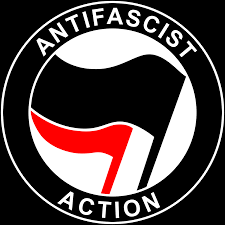
The term ‘Antifa’, short for anti-fascist, has become a focal point of political discussions in recent years, particularly during protests across various Western nations. This loosely affiliated movement resists fascism and far-right ideologies, adopting a range of tactics to fight against perceived threats to social justice. Understanding Antifa is crucial in today’s political climate, especially considering the impact it has on social movements, media portrayal, and public discourse.
Historical Context of Antifa
The origins of Antifa can be traced back to the early 20th century, when individuals engaged in active resistance against fascistic movements across Europe. However, the modern incarnation gained prominence in the United States during the 1980s, targeting neo-Nazi and white supremacist groups. The movement predominantly consists of anarchists, socialists, and progressives who advocate for direct action in opposing right-wing ideologies and hate movements.
Recent Events and Impact
In 2020, Antifa garnered significant media attention amidst the Black Lives Matter protests following the death of George Floyd. The movement’s presence was noted in various protests against police brutality and systemic racism. However, the response to Antifa has been polarized—supporters argue that they are vital in combating hate, while detractors claim they promote violence and unrest.
Authorities have classified Antifa differently; some regard it as a domestic terrorist group, while others defend its justification as protective activism. The release of several governmental reports, particularly from the FBI, has further ignited debates about the implications of labelling Antifa in this manner. These misclassifications can influence public perception and policy directions regarding anti-extremism efforts.
Actions and Tactics
Antifa groups have employed various tactics, ranging from peaceful protests and counter-demonstrations to direct actions that can sometimes lead to violence. Their strategies are often contentious; while many members argue that they are necessary to disrupt far-right gatherings, others express concerns about the potential to escalate tensions further.
Conclusion
The Antifa movement continues to draw significant attention and debate globally, raising essential questions about free speech, protest rights, and the limits of activism. As political landscapes evolve, understanding Antifa’s role becomes increasingly important. It is imperative for reporters, scholars, and the public to engage with the movement constructively, fostering dialogue rather than division. Future developments in political climate could indeed shape Antifa’s activities and influence broader patterns of social resistance.