Introduction
Budapest, the stunning capital of Hungary, is a city that boasts a rich tapestry of culture, history, and architectural wonders. Known for its vibrant city life, thermal baths, and stunning Danube River vistas, Budapest attracts millions of tourists each year. Its significance lies not only in its beauty but also in its role as a cultural hub in Central Europe, making it an essential destination for travellers from around the globe.
Historical Significance
Budapest has a rich historical backdrop dating back to the Roman Empire, when it was known as Aquincum. Over the centuries, it has evolved into a city shaped by the influences of various cultures, including the Ottomans and the Habsburgs. The unification of Buda, Pest, and Óbuda in 1873 marked the beginning of Budapest as we know it today. This unification led to rapid urban development and the establishment of its iconic cafés, theatre, and a vibrant literary scene.
Cultural Highlights
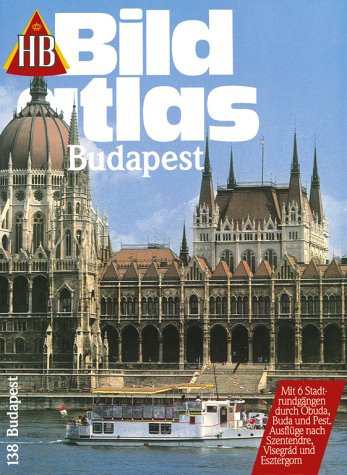
The cultural offerings of Budapest are vast. The city is renowned for its stunning architecture, from the Gothic Revival-style Parliament building to the Baroque St. Stephen’s Basilica. Equally, Budapest’s thermal baths, including the famous Széchenyi and Gellért, are steeped in tradition and draw both locals and visitors. The city also hosts numerous festivals throughout the year, celebrating everything from film and music to gastronomy and crafts.
Current Events
In recent months, Budapest has also been in the spotlight for its efforts in sustainable tourism. Local authorities have been working to reduce overcrowding in popular areas and promote lesser-known neighbourhoods and attractions. Additionally, initiatives aimed at preserving the city’s historic sites while enhancing tourist infrastructure are underway. Events like the Budapest Biennale showcase contemporary art, further solidifying the city’s reputation as an artistic epicentre.
Conclusion
As Budapest continues to evolve, its blend of history and modern culture ensures that it remains a must-visit destination. With sustainable tourism practices on the rise and a wealth of cultural experiences to offer, visitors can expect to see the city in a new light, fostering a deeper appreciation for its heritage and contemporary contributions. Whether one is seeking historical exploration or modern-day festivities, Budapest remains a captivating city whose allure only grows stronger with time.