Introduction
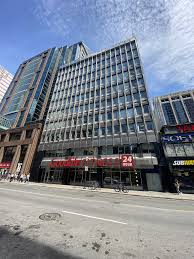
Toronto, the capital of Ontario, is the largest city in Canada and is renowned for its rich cultural diversity, vibrant arts scene, and economic significance. With a population exceeding 2.7 million, it stands as a melting pot of cultures and ideas, making it one of the most cosmopolitan cities in the world. As Canada emerges from the pandemic, understanding Toronto’s evolving landscape is crucial for residents, visitors, and investors alike.
Economic Hub
Toronto is not only a cultural beacon but also an essential economic hub. It is home to the Toronto Stock Exchange, one of the largest in the world, and the city’s economy is driven by finance, technology, and media sectors. The recent economic recovery post-pandemic has seen a resurgence in job opportunities, especially in tech, with companies like Shopify and Uber establishing a strong presence in the city. The 2023 Ontario Budget indicated that Toronto’s economy is expected to grow by 4.2% in the current fiscal year, highlighting its resilience and attractiveness for business.
Cultural Richness
The cultural landscape of Toronto is just as dynamic as its economy. The city hosts over 100 cultural festivals annually, including the Toronto International Film Festival (TIFF), which attracts filmmakers and celebrities from around the globe. In addition, institutions like the Art Gallery of Ontario and the Royal Ontario Museum showcase both local and international art. Furthermore, neighbourhoods such as Kensington Market and the Distillery District offer unique shopping and dining experiences that embody Toronto’s cultural vibrancy.
Challenges Ahead
Despite its many strengths, Toronto faces challenges, particularly in housing affordability and urban planning. The demand for housing has surged, contributing to rising prices and a competitive rental market, which could threaten the city’s diversity if not addressed. City leaders are under pressure to implement policies that ensure sustainable development while maintaining the affordability of living spaces for all residents.
Conclusion
Toronto remains a vital city in Canada, known for its economic opportunities and cultural richness. As the city continues to evolve, its ability to tackle challenges will determine its future trajectory. For those considering relocating, investing, or merely visiting, Toronto promises a thriving urban experience that celebrates diversity and innovation. Monitoring developments in infrastructure and real estate is crucial for anyone keen on understanding the potential and limitations of this remarkable city.



