Introduction
Bucharest, the bustling capital of Romania, is a city steeped in history and culture. As the largest city in the country, it stands as a beacon of Romanian heritage, combining a rich past with modern influences. Understanding Bucharest is essential for grasping Romania’s social, political, and economic landscape, making it a significant destination for tourists and scholars alike.
The Historical Background
Bucharest’s history dates back to the 1459 when it was first mentioned in a document by Vlad the Impaler, famously associated with Bram Stoker’s Dracula. Over the centuries, Bucharest has transformed from a small trading post to a vibrant metropolis. The city features a mix of architectural styles, from Neoclassical and Art Nouveau to Brutalism, showcasing its evolution through historical turmoil and political changes, including the communist era which left a distinct mark on the city.
Cultural Significance
Today, Bucharest is regarded as a cultural hub in Eastern Europe. The city is home to numerous museums, galleries, and theatres. The National Museum of Romanian History and the Romanian Athenaeum are highlights for those seeking to immerse themselves in the local culture. Bucharest also hosts various international events, including the George Enescu International Festival, which attracts musicians and audiences from around the world.
Modern Developments
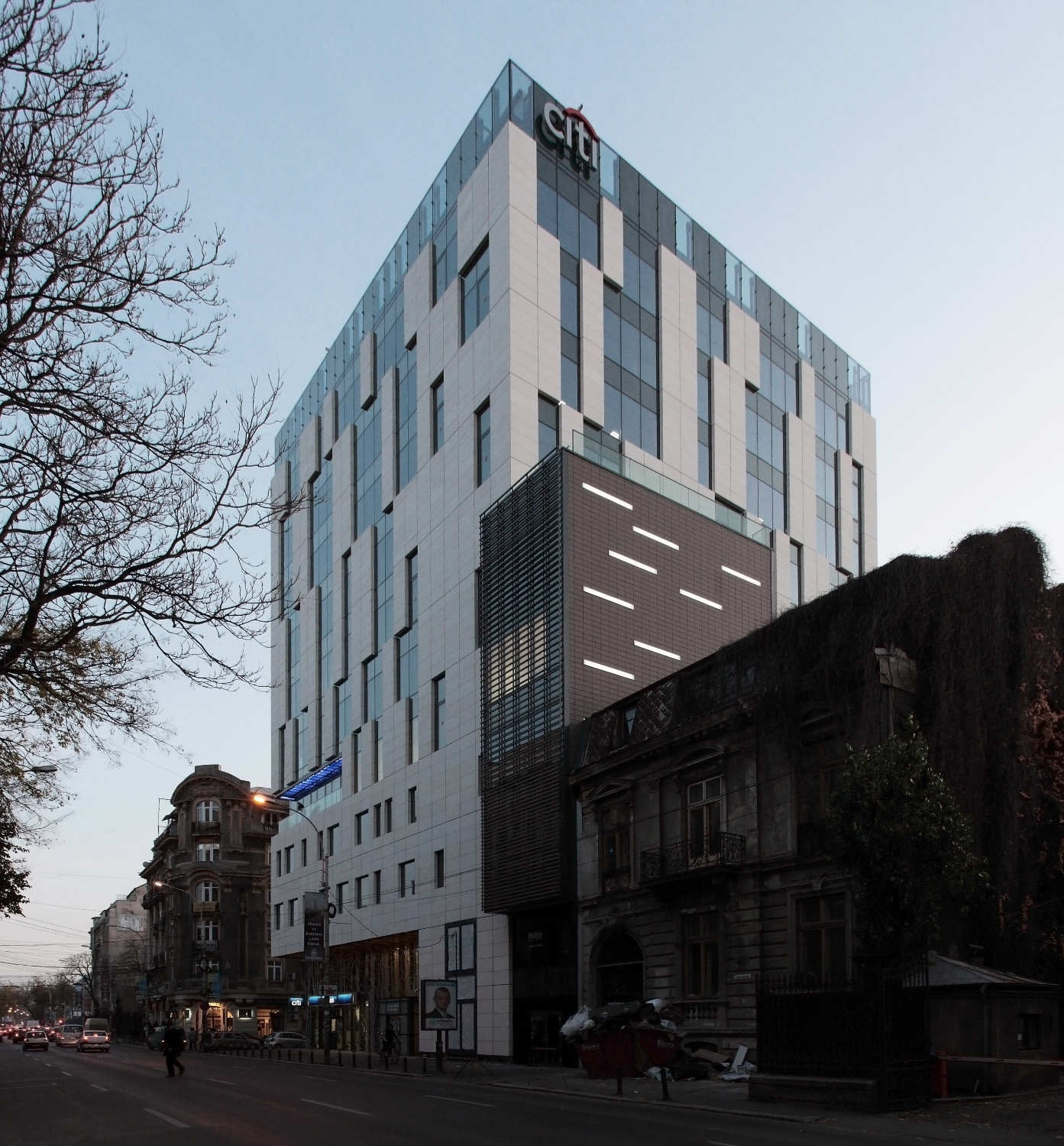
In recent years, Bucharest has seen rapid growth and development. With a burgeoning tech scene and an influx of foreign investment, the city is establishing itself as a major business hub. The establishment of the Bucharest Stock Exchange and a growing number of startups are indicators of its economic potential. The city’s infrastructure has also improved, with new transportation links and developments fostering connectivity and accessibility.
Tourism and Attractions
Bucharest is increasingly becoming a hotspot for tourism in Europe. Notable attractions include the Palace of the Parliament, one of the largest buildings in the world, and the beautiful parks such as Herastrau Park, which offers tranquility amidst urbanity. Visitors are also drawn to the vibrant nightlife scene, with myriad bars, clubs, and restaurants showcasing the city’s culinary diversity.
Conclusion
Bucharest stands as a testament to resilience and adaptability. As the city continues to evolve, it retains its rich historical identity while embracing modernity. For tourists, educators, and business professionals alike, Bucharest offers a unique blend of the old and the new, making it a crucial city to watch in the evolving landscape of Europe. With its cultural depth and economic prospects, the future looks bright for Romania’s capital.