Introduction
Every October, the United Kingdom experiences a biannual event that affects the daily lives of millions: the change of the clocks for Daylight Saving Time. This tradition, which sees the clocks go back one hour in late October, is designed to make better use of daylight during the shorter days of winter. Understanding this practice’s significance and implications is essential for residents and visitors alike.
The Change in Time
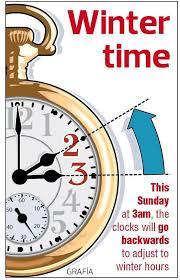
This year, the clocks went back at 2:00 AM on Sunday, 29th October 2023. Residents across the UK set their clocks back one hour, marking the end of British Summer Time (BST) and the return to Greenwich Mean Time (GMT). The change occurs at the end of October each year, allowing people to enjoy daylight in the morning as nights become longer.
Daylight Saving Time, which begins on the last Sunday in March and ends on the last Sunday in October, was first introduced during World War I to conserve fuel. Since then, the practice has become standard in many countries, including the UK, although its necessity has been debated for decades.
Significance and Implications
While many enjoy the extra hour of sleep provided by the clock change, the adjustment can also have mixed effects on health and well-being. Studies suggest that the shift can disrupt sleep patterns for some, contributing to what is often referred to as ‘social jetlag.’ This transition period depends on individual routines and lifestyles, causing varying levels of disruption.
From an economic perspective, the clock change can affect retail patterns, with businesses often seeing increased sales in the lead-up to the switch as people prepare for winter. Conversely, some research indicates a drop in consumer spending immediately following the change due to shorter daylight hours impacting outdoor activities.
Looking Ahead
As we embrace the colder months and prepare for winter festivities, it is important to take note of these seasonal adjustments. The next biannual clock change will occur on the last Sunday in March 2024, when the clocks will spring forward again for British Summer Time.
In conclusion, understanding when the clocks go back is more than just a simple time change; it is part of a larger conversation about energy use, health, and lifestyle over the winter months. Staying informed about these changes allows us to adapt our daily routines to make the most of the daylight available.