Significance of Labour Party Polls
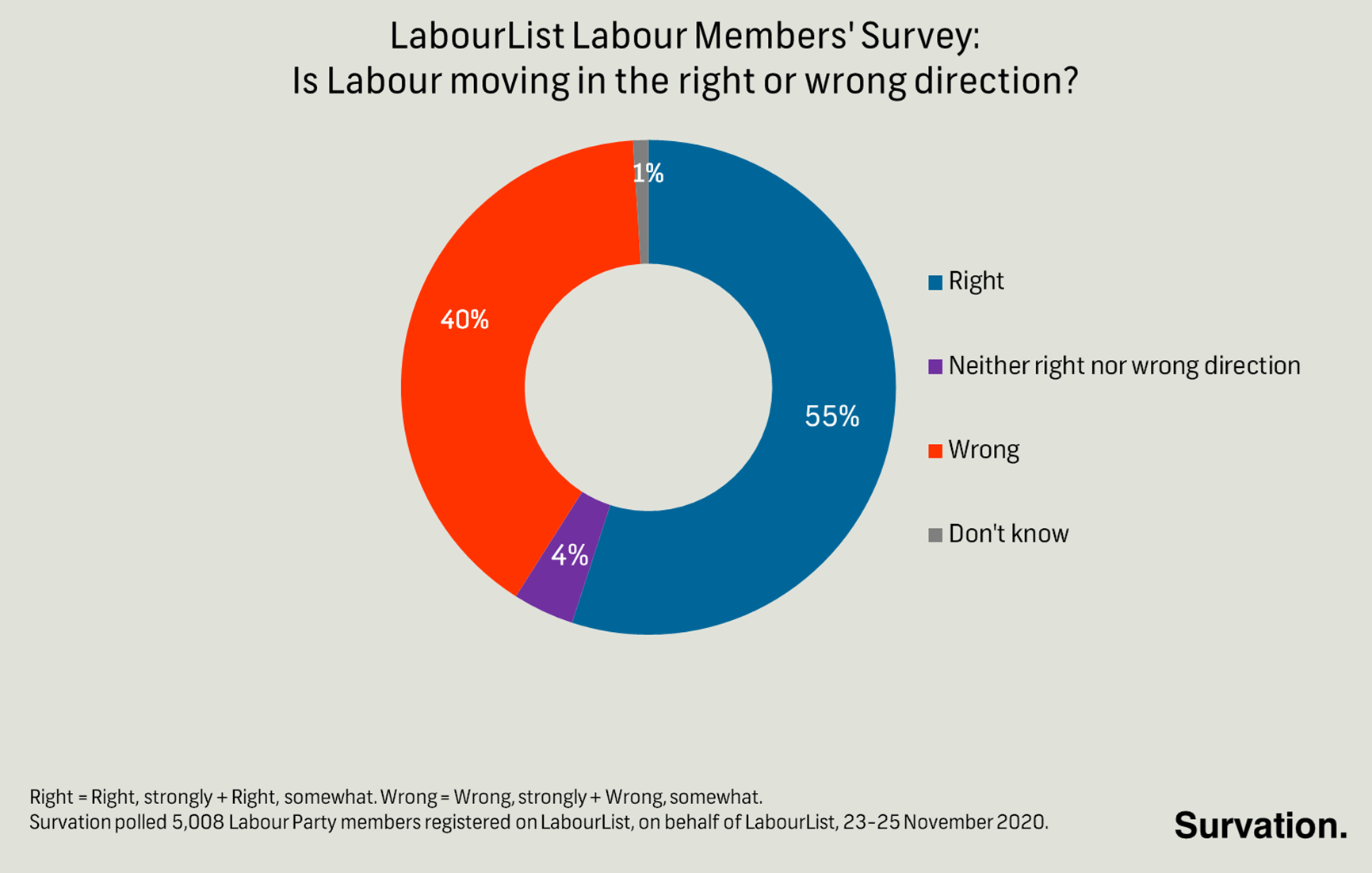
As the United Kingdom prepares for the upcoming general elections, polling data has become a focal point for political discourse. The Labour Party, traditionally one of the two major political parties, plays a crucial role in shaping policy and public opinion across the country. Recent polls reflect changing dynamics in voter sentiment, making it essential for both political analysts and citizens to stay informed about these trends.
Latest Polling Data
According to a study conducted by YouGov earlier this month, the Labour Party is currently leading the Conservative Party by 8 points, with 43% of respondents indicating support for Labour compared to 35% for the Conservatives. This marks a significant shift since the last election cycle, where the Conservative Party enjoyed a substantial lead. Furthermore, polls have highlighted key issues that voters care about, including healthcare, the economy, and climate change—areas where the Labour Party is attempting to position itself favourably.
Impact of Recent Events
The recent resignation of several Conservative MPs and a broader dissatisfaction with the government’s handling of economic challenges have contributed to Labour’s rise in the polls. Additionally, the Labour Party’s new policy platform, which promises investment in public services and a commitment to net-zero carbon emissions by 2050, appears to resonate well with the electorate, particularly younger voters and those in urban areas. Critics suggest that while polls indicate a positive trend for Labour, it remains uncertain whether they can maintain or build upon this lead as the campaign progresses.
Future Projections and Voter Sentiment
Political analysts warn that while polling data offers a snapshot of public opinion, it is crucial not to underestimate the potential for swings in voter sentiment as the election date approaches. Factors such as debates, party campaigns, and unforeseen political events can all influence the final outcome. Furthermore, a significant portion of the electorate remains undecided, making it vital for the Labour Party to solidify its message and connect with these voters to ensure sustained support.
Conclusion
The current Labour Party polls indicate a promising trajectory for the party as it inches closer to the general elections. However, as history has shown, polling numbers can be fluid and susceptible to change. Voters are encouraged to consider the policies and values presented by each party, rather than purely focusing on poll statistics. As the country heads into the campaign season, the significance of these polls will unfold further, ultimately playing a pivotal role in the political landscape of the UK.