Introduction to Ebola Virus Outbreaks
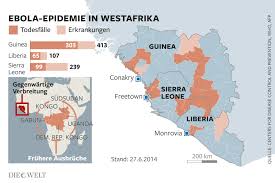
The Ebola virus disease (EVD) is a severe and often fatal illness affecting humans and nonhuman primates. Its outbreaks, primarily in Central and West Africa, have raised significant global health concerns due to high mortality rates and rapid transmission. Understanding recent developments in the ebola situation is crucial for preparedness and response on both local and international fronts.
Recent Developments in Ebola Outbreaks
As of October 2023, the Democratic Republic of the Congo (DRC) has reported a resurgence of ebola cases in the Equateur Province. Authorities confirmed that the outbreak began in late September, and as of now, approximately 40 suspected cases have been recorded, with 12 confirmed by laboratory tests. Public health officials, in collaboration with international partners such as the World Health Organization (WHO), have initiated a comprehensive response to contain the outbreak.
The DRC’s Ministry of Health has deployed teams of health workers to affected areas to conduct contact tracing, case management, and to administer vaccines developed during previous outbreaks. The rVSV-ZEBOV vaccine, developed in response to past ebola crises, has proven effective in controlling the spread of the virus and is a central part of the current response strategy.
The Importance of Vigilance and Preparedness
Global health officials are stressing the importance of maintaining vigilance against ebola, especially in light of increasing travel and trade links between Africa and the rest of the world. It is essential for countries, particularly those with borders near ebola-affected areas, to bolster their public health infrastructure. Screening measures at airports, public awareness campaigns about the symptoms of ebola, and rapid response teams are crucial steps in preventing a global spread of the virus.
Conclusion and Future Outlook
The ongoing ebola outbreak in the DRC highlights the persistent threat posed by the virus and underscores the necessity for international cooperation in monitoring and response efforts. Moving forward, it is imperative for global health communities to strengthen their response capabilities, ensuring rapid containment of outbreaks to avert potential pandemics.
As case numbers evolve, continuous updates and appropriate health protocols will be essential for safeguarding communities both locally and globally, reflecting the shared responsibility of health security across nations.