Introduction
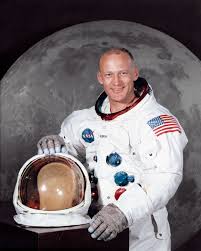
Buzz Aldrin, the renowned astronaut who became the second human to walk on the moon during the Apollo 11 mission in 1969, has remained a significant figure in the field of space exploration. His contributions to aerospace, as well as his advocacy for space exploration, have made him a prominent voice in contemporary discussions around NASA’s future and humanity’s next steps into the cosmos. As recent discussions about returning to the moon and even planning missions to Mars gain momentum, Aldrin’s insights and experiences are becoming increasingly relevant.
A Striking Achievement
Aldrin was born on January 20, 1930, and was selected as an astronaut in the early 1960s. On July 20, 1969, he and Neil Armstrong made history, landing on the lunar surface while Michael Collins remained in orbit. Their mission marked a turning point in human exploration, and Aldrin’s experiences have inspired generations of scientists, engineers, and adventurers. Aldrin famously described the moon as a “magnificent desolation” during his time on the surface, a phrase that resonates with the awe and challenges of space travel.
Recent Activities and Influence
In recent years, Aldrin has remained active in public discourse about space. He has authored several books, including his 2013 memoir, “No Dream Is Too High”, detailing his life, career, and aspirations for the future of space exploration. Additionally, Aldrin has been vocal about the necessity of expanding human presence beyond Earth, especially advocating for a manned mission to Mars. His call for a sustainable presence on the moon serves as a key component of a long-term strategy for future space exploration.
Conclusion
The legacy of Buzz Aldrin is not just defined by his remarkable achievement of being the second person on the moon but also by his ongoing contributions to advancing humanity’s reach into space. As we look ahead to the future of space exploration, Aldrin’s vision could be a crucial factor in shaping potential missions to Mars and beyond. His life story serves as an inspiration that no dream in exploration is too high, reminding us that with courage and innovation, humanity can continue to push the boundaries of what is possible, exploring places previously thought unreachable. For readers, this serves not only as a historical account but also as a reminder of our collective potential to break new ground in human exploration.