Introduction
The role of prime ministers in the United Kingdom is critical for shaping the nation’s policies and direction. Recent shifts in leadership and political approaches have reignited discussions about the responsibilities, challenges, and public perception of the office. As the UK navigates complex socio-political landscapes including Brexit repercussions, economic recovery post-pandemic, and climate change initiatives, understanding the impact and decisions made by prime ministers is more relevant than ever.
Recent Prime Ministers and Their Impact
As of 2023, Rishi Sunak leads the UK as the Prime Minister, having taken office in October 2022. His premiership has been characterised by attempts to stabilise the economy amidst rising inflation and energy crises. Implementing various economic policies, including energy price caps and fiscal support for vulnerable households, has been a priority. His leadership style has drawn praise for being pragmatic yet faced scrutiny over inaction against some longstanding issues, such as NHS backlogs and social care reforms.
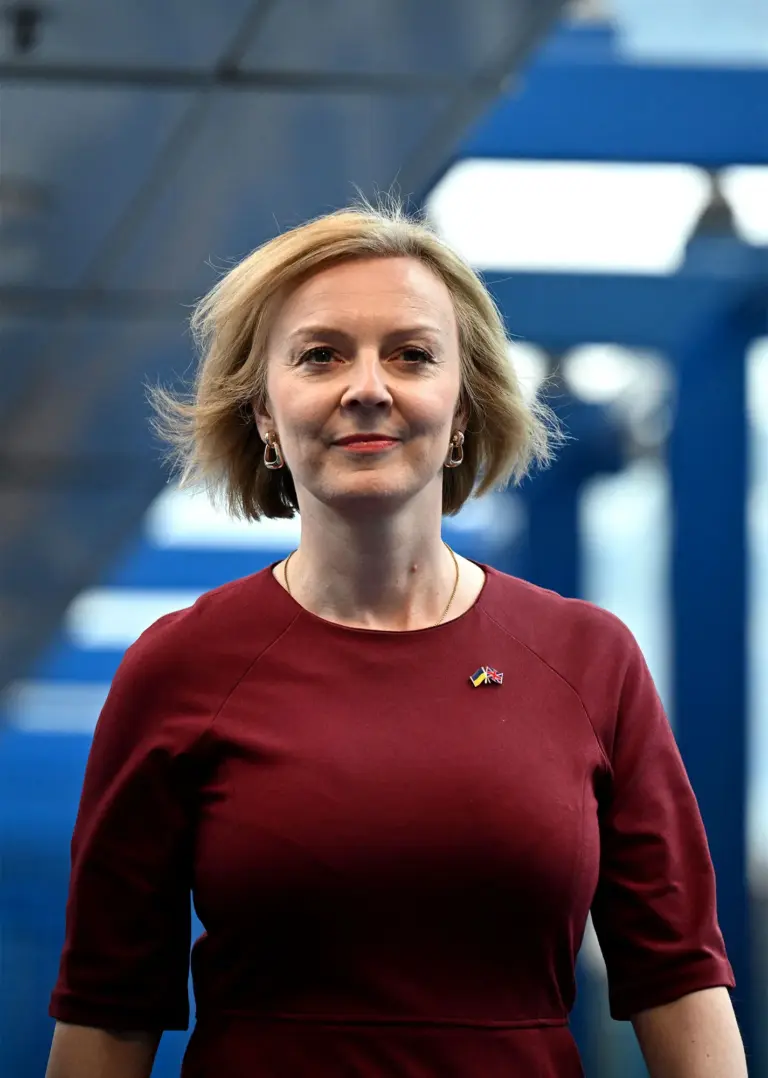
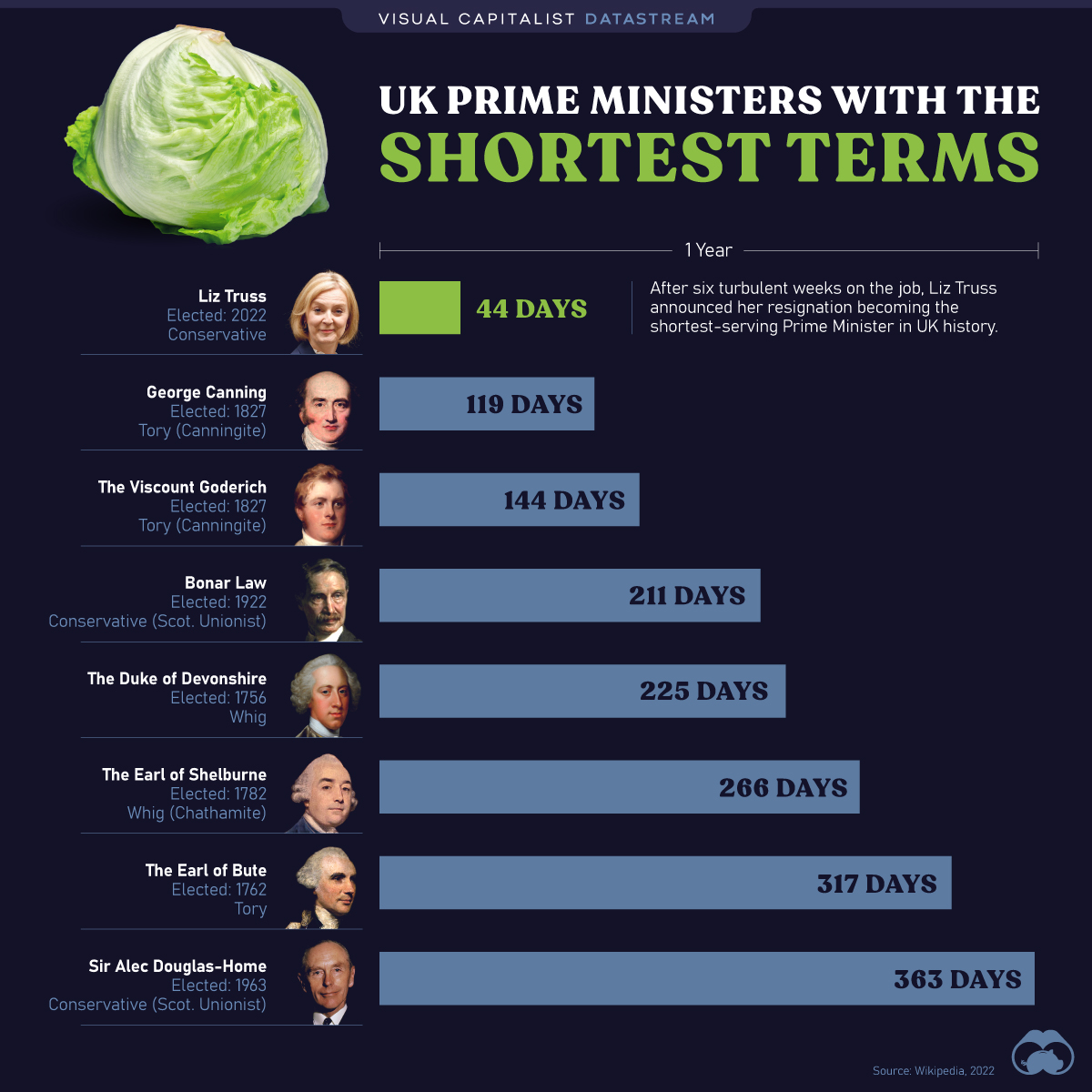
Before Sunak, Liz Truss served a notably brief term, emphasising the volatility of leadership within the Conservative Party. Her proposed economic reforms were heavily criticised, leading to a rapid loss of confidence among MPs and ultimately her resignation after just 49 days in office. Truss’s experience highlighted the precarious nature of political leadership and the urgent need for stability when handling economic challenges.
Public Perception and Polling Trends
The public’s perception of UK prime ministers remains a crucial metric for understanding political landscapes. Polls indicate that while Sunak has enjoyed a brief period of popularity, recent data reveals that public confidence is fickle, largely dependent on policy successes. According to a YouGov poll from May 2023, 52% of respondents expressed dissatisfaction with the current government, citing concerns about economic management and public services.
The Future of UK Leadership
Looking ahead, the role of prime ministers will inevitably evolve in response to pressing global and national challenges. The upcoming elections in 2024 may reshape the political landscape significantly, with Labour and other parties gaining traction. As debates around issues such as climate change, housing, and immigration continue, future prime ministers will need to present robust solutions to regain public trust.
Conclusion
The evolution of the role of prime ministers in the UK is essential in influencing the country’s democratic processes. As events unfold, residents are urged to stay informed about their leaders’ policies and decisions. The potential for change is significant as emerging leaders articulate visions for a united and prosperous nation. Engaging with the political landscape now will ensure that voters can make educated choices during elections, which will determine the future direction of the country.