Introduction
Car tax, also known as Vehicle Excise Duty (VED), is an essential aspect for all vehicle owners in the United Kingdom. It not only contributes to the country’s infrastructure but also plays a significant role in environmental conservation. With recent updates to tax regulations, understanding car tax implications has become increasingly relevant for drivers. This article aims to provide clarity on what car tax entails, current rates, and key changes that could affect vehicle owners.
What is Car Tax?
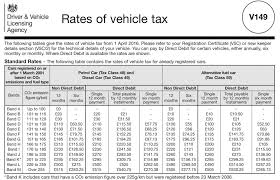
Car tax is a levy that UK residents must pay to legally use a motor vehicle on public roads. The amount of tax owed primarily depends on the vehicle’s CO2 emissions, engine size, and the fuel type. Cars that produce lower emissions generally incur lower taxes, whereas vehicles with higher emissions face steeper rates. As of April 2023, a new system was implemented that affects how car tax is calculated for both newly registered and existing vehicles.
Current Rates and Changes
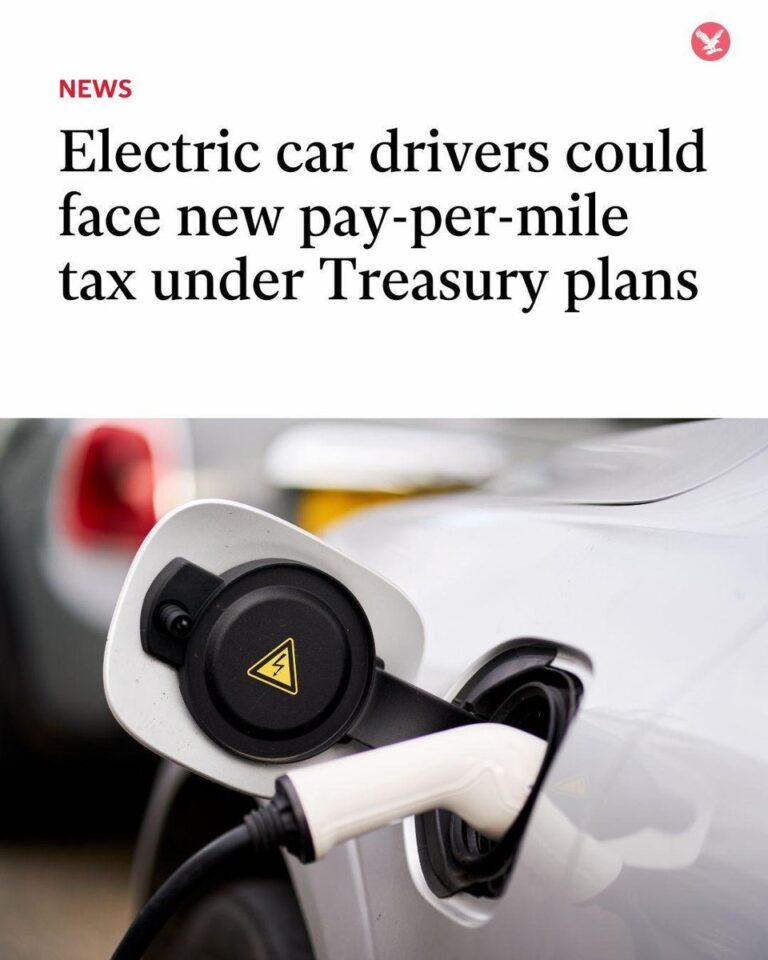
The rates for car tax vary based on the car’s emissions class. For example, electric vehicles (EVs) are currently exempt from paying road tax, encouraging more drivers to switch to greener alternatives. For petrol and diesel cars, the tax starts at £0 for those emitting up to 100g/km of CO2, with progressive increases for higher emissions. It’s essential for car owners to be aware of these classifications since they directly impact yearly payment obligations.
This year, the UK government has increased the annual rates for high-emission vehicles which have drawn mixed reactions from the public. The government’s aim is to incentivize the transition to electric or hybrid vehicles, which aligns with the broader objective of achieving net-zero emissions by 2050.
Key Considerations for Vehicle Owners
Vehicle owners need to be proactive about understanding their tax obligations, especially with the new changes. Failing to pay car tax can lead to penalties, including hefty fines. Additionally, it’s vital to keep track of tax expiration dates to avoid running afoul of the law. The introduction of online portals for managing car tax has made it easier to renew licenses or make payments, but ensuring compliance remains the responsibility of the car owner.
Conclusion
In summary, car tax in the UK plays a crucial role in regulating vehicle use and promoting environmentally-friendly practices. With evolving legislation and differing tax rates impacting various vehicle types, vehicle owners must stay informed to make prudent decisions. As the dialogue around environmental responsibility continues to grow, understanding car tax implications will not only help drivers comply with regulations but also contribute to a sustainable future.